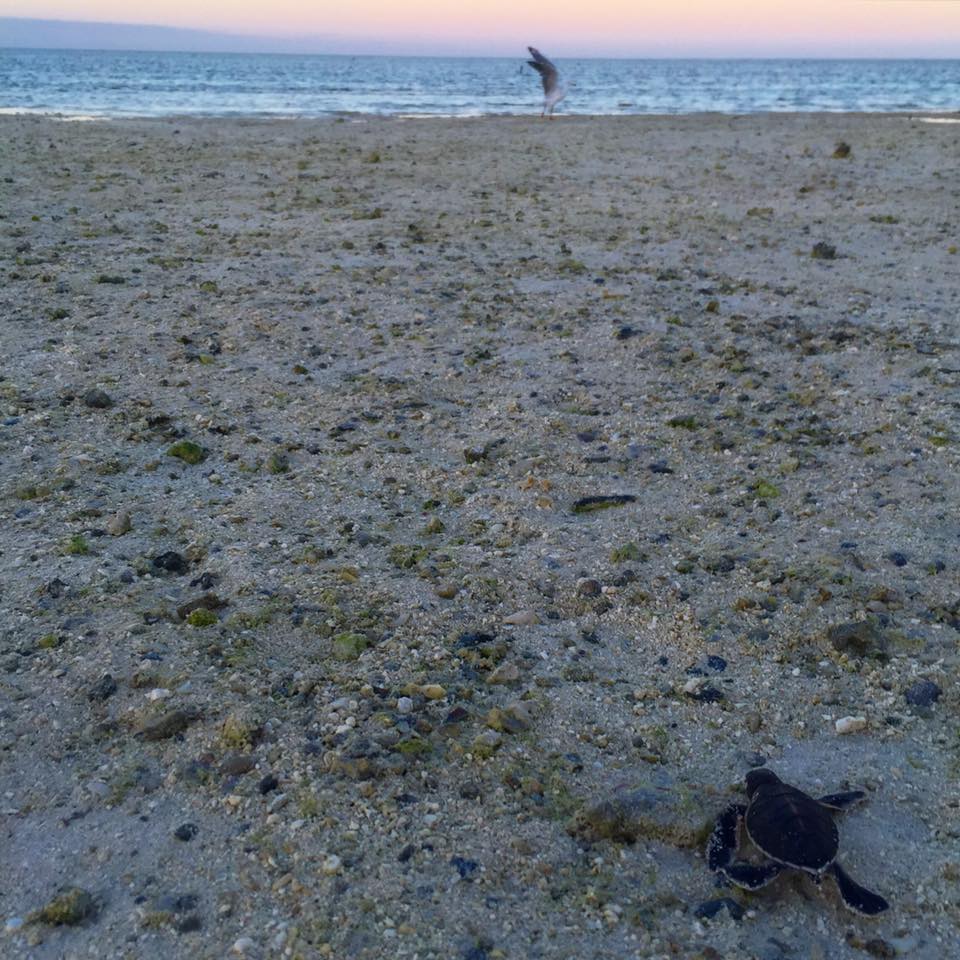
Our sunburnt skin had enough of the sun as we lay on the bed under the fan in our room, awaiting sunset. I noticed the day was cooling off and the sounds of birds becoming rowdier in the distance. I tapped Wade on the shoulder to wake him so we could start our daily sunset walk of the island in search for baby turtles emerging from their nests, headed for the deep blue. As soon as we opened the door, a seagull stared us almost straight in the eye with a tiny baby turtle wedged right in his mouth! I chased him off, hoping the turtle would drop from the clutch of his beak and onto the ground for me to save but the bird was unfazed, and flew slowly away.
Our first experience with these beautiful little sea creatures was such a positive one – with roughly 8 of us on the beach, we personally walked a tiny green sea turtle to the water. He was on his own so we assumed he was a baby left over from the nest that hatched the evening before. Seagulls had him in their sight yet we all worked together to ensure he made it out to the ocean safely. We cheered as he made it to the water, and some walked him as far as they could to the reef.
Wade was calling out to me from the dunes and I realised he’d discovered a nest. We all ran up to find around 120 baby turtles erupting from the nest and spilling out onto the warm sand. This nest was Loggerhead turtles, the rarer of the two types of turtles found on Heron island. They all charged down the beach as we shooed away as many seagulls as we could.
As majority of the turtles reached the shore, the sun had truly set and we noticed another nest had erupted only a couple of metres down the beach – this time they were Green Sea turtle hatchlings. We really couldn’t of gotten any luckier seeing both types of hatchlings on the same night! This activity could become a full time job, I thought to myself.
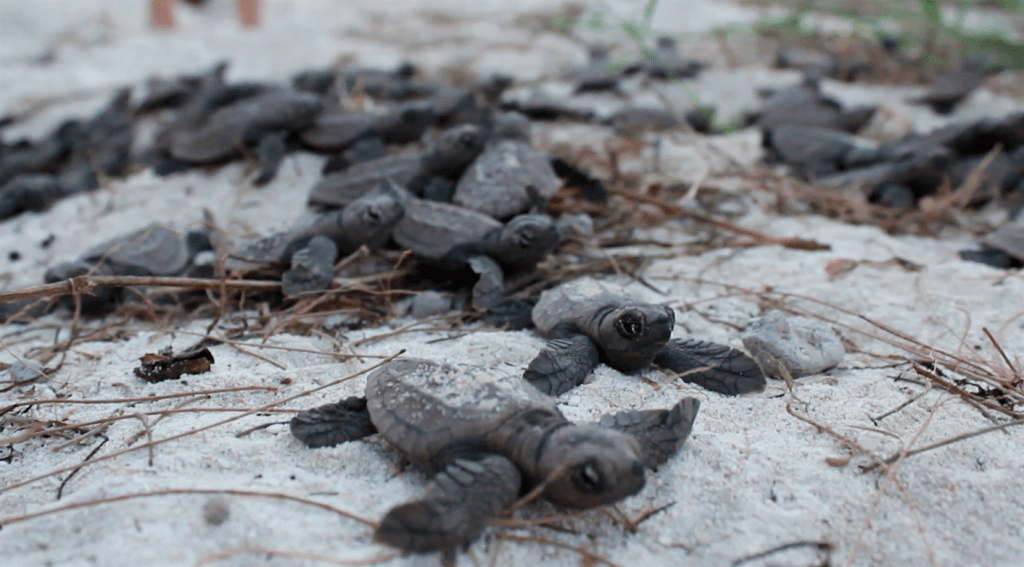
The first night was perfect. It was amazing how the turtle hatchlings made every passer-by no longer a stranger as we worked together to help give the turtles their best chance at life – I assumed at this point that this is what parenthood must feel like; as they made the slow dash to the water, I felt a proud parent moment. There’s a real connection with these little turtles that you feel you couldn’t leave their side, even if you were missing your dinner reservation.
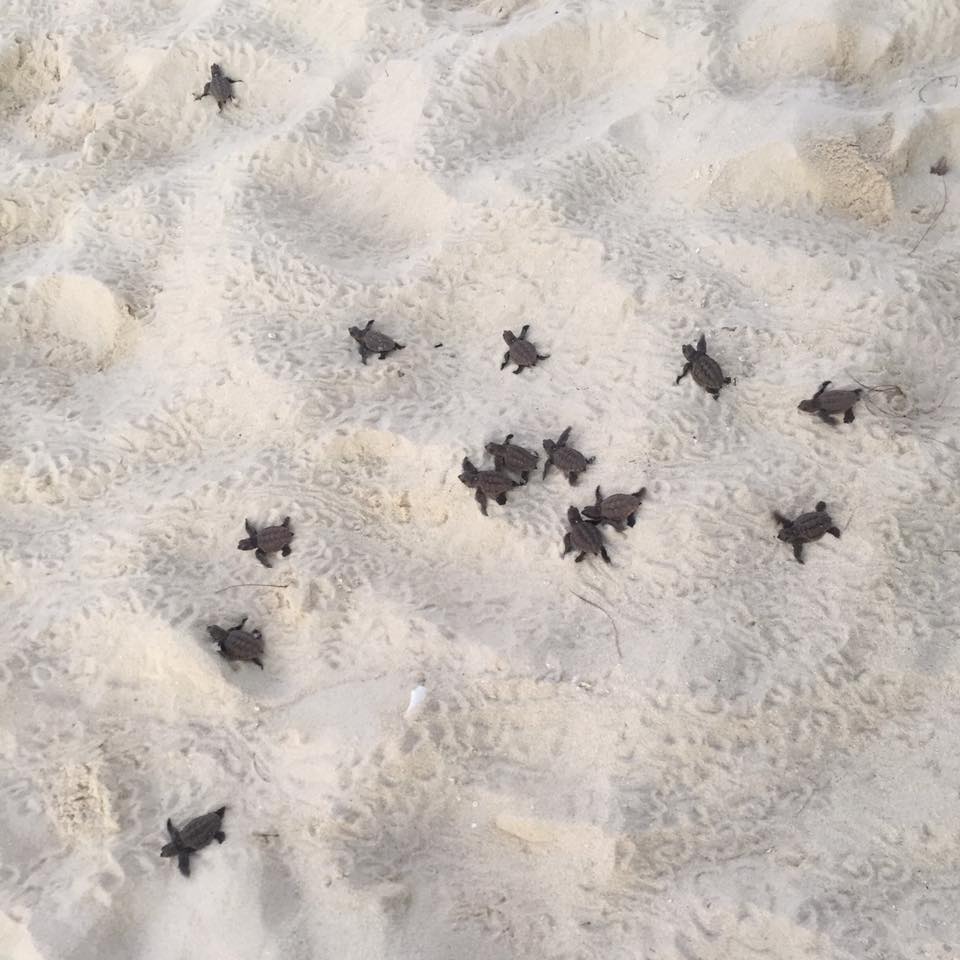
Our second experience was not so positive. The same evening that started off with the seagull greeting us with a baby turtle in it’s mouth was the same night we came across a nest of Green Sea Turtles. This time, they had been laid in an area on the beach where the shore was blocked by rocks, exposed due to the low tide. Not only did the turtles have to dodge seagulls, they also had to climb the rock wall, avoid the crabs that guarded the wall and make it to the ocean, where they had to dodge reef sharks – not many made it that afternoon : (
We continued along our walk, coming across another nest of Green Sea Turtles with no one else in sight. Seagulls were picking them out one-by-one, and kept coming back for more like a greedy eater at an all you can eat buffet. No matter how harshly we tried to shoo the seagulls, they would dive in underneath our waving hands and snatch the turtle hatchlings from right beneath us. I think that night on our watch, only 4 made it to the waters edge – it was quiet a brutal night.
It won’t take long before you realise that seagulls are baby turtle killers, but it’s times like this when you have to remind yourself that this is nature.
Heron Island Turtle Time
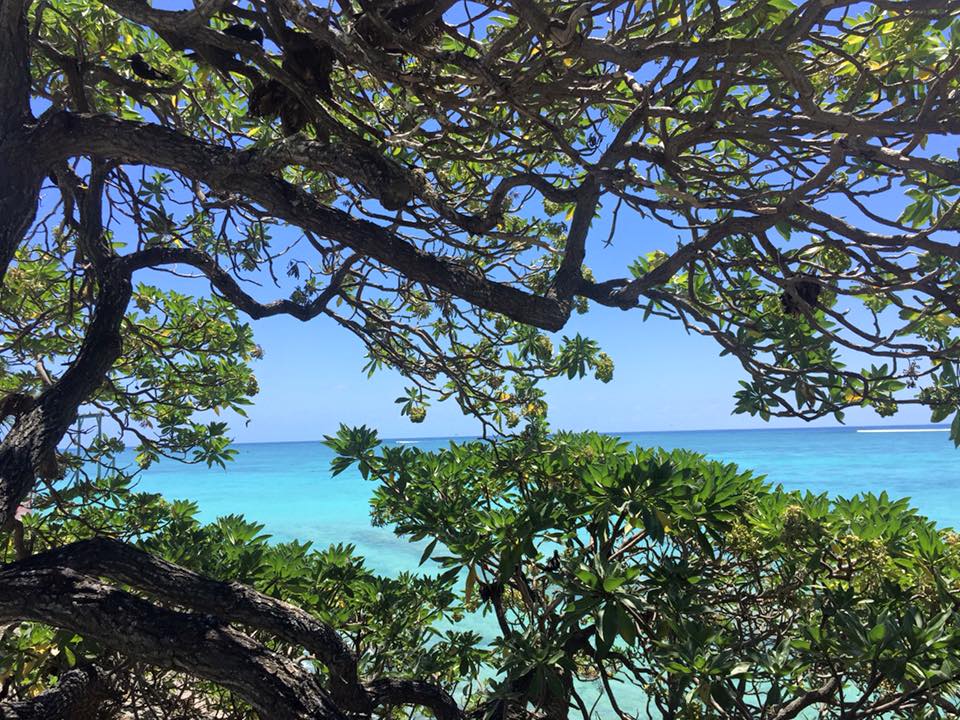
Even if you’re not a romantic, turtle time on Heron Island will have you taking daily walks along the beach at sunset…. in search for hatching turtles!
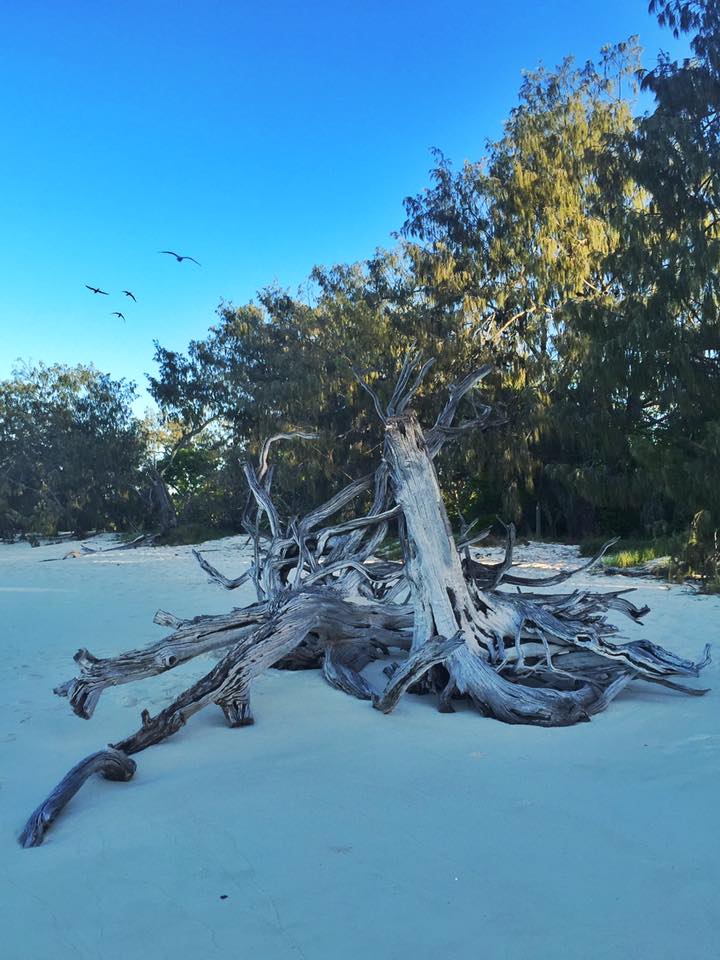
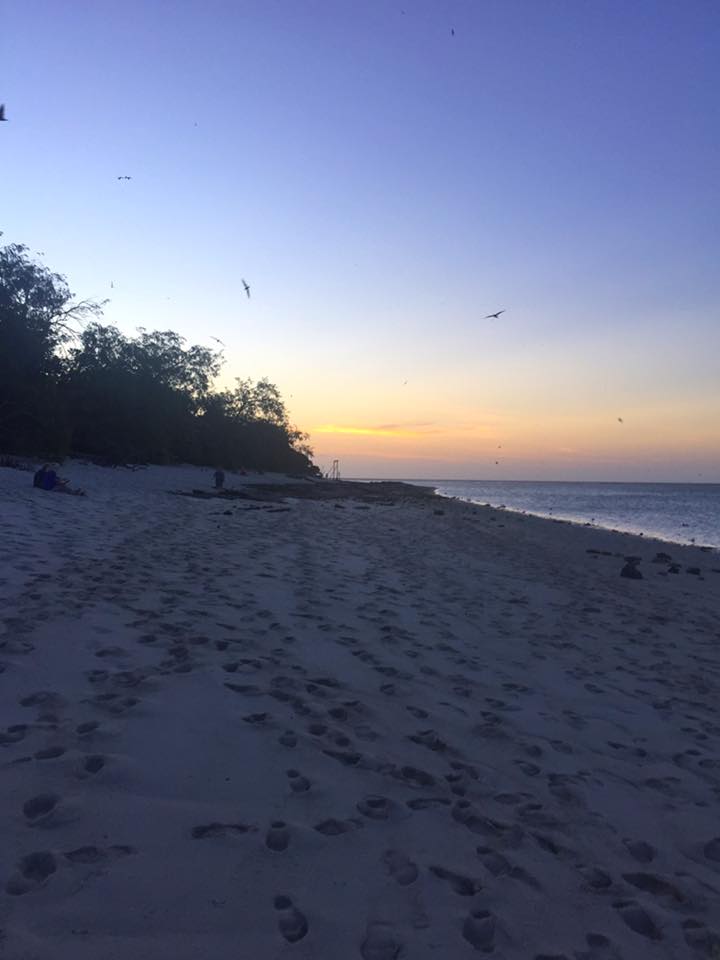
There are two types of turtles found on Heron Island; the Green Sea & Loggerhead turtles who migrate to Heron Islands shores to lay their eggs each breeding season.

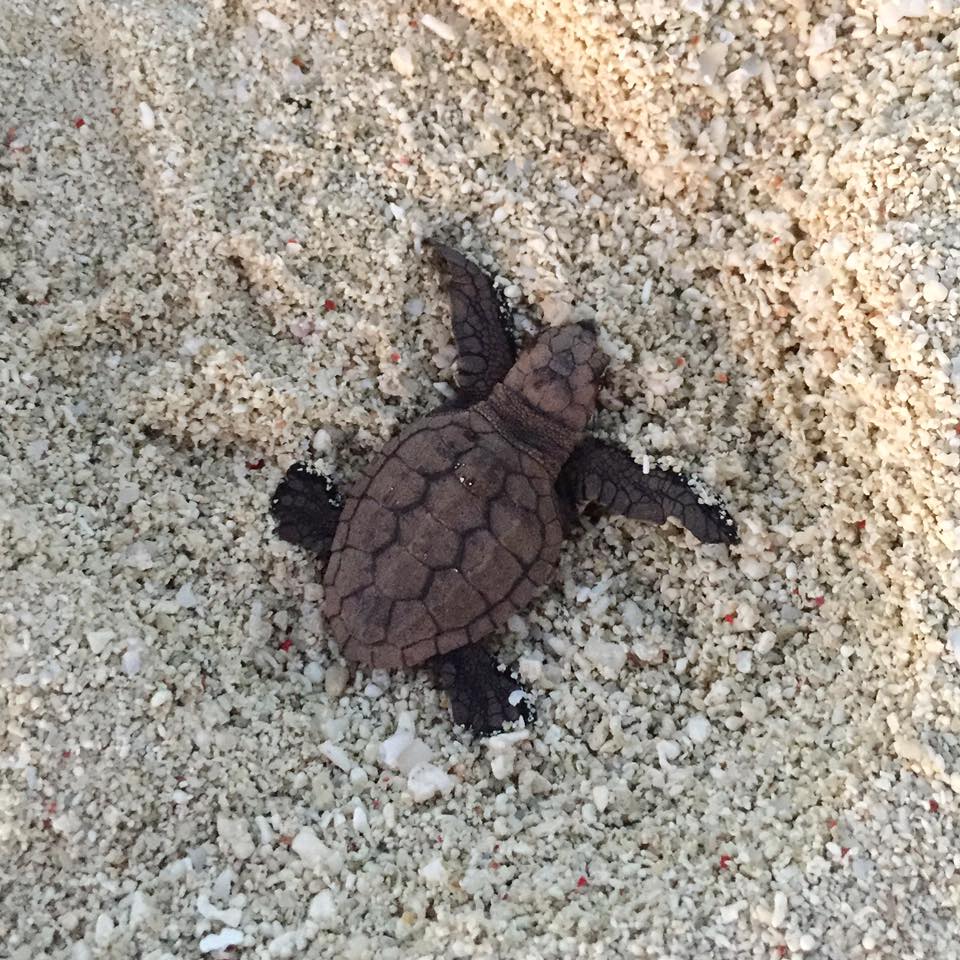
The nesting season, although this can vary, runs from November to March. Adult female turtles will come to shore to lay a clutch of approx. 120 eggs. She will return to the sea, coming back to Heron Island 2 weeks later to lay another clutch and this can happen 3-5 times each breeding season. Keep an eye out on the sand for her tracks that will lead you to her hatching ground – but please give them space!
Green sea turtle tracks resemble those of a tractor; they move both front flippers at the same time creating the below track movements. Loggerhead turtles move one flipper at a time, creating wavy spaced out flipper markings.

The mother turtles come to shore at high tide to lay their eggs, which for us was 11:00 pm on the first night, the tide changing by half an hour each night following. As no torches or flash photography can be used to avoid disturbing the female turtle, we watched her nest under the moonlight. She swished the sand from side to side, cosying into the nest where she laid her eggs for the next 2 hours or so.
Approx. 58 days later, the baby turtle hatchlings will emerge from the nest for their journey to the ocean. The baby turtles will start to hatch from January, with turtles still hatching into early May although this will vary each season.
The island is small, and takes roughly 20 minutes to walk its circuit. There’s a few things to look out for when trying to find a turtle nest – A big hint is watching where the seagulls are, who will most likely be swooping down once the turtles have emerged onto the sand so they can eat them up. Another is to look out for tiny baby turtle footprints in the sand or by simply walking along the high-tide line at sunset in hope to see a nest erupting.
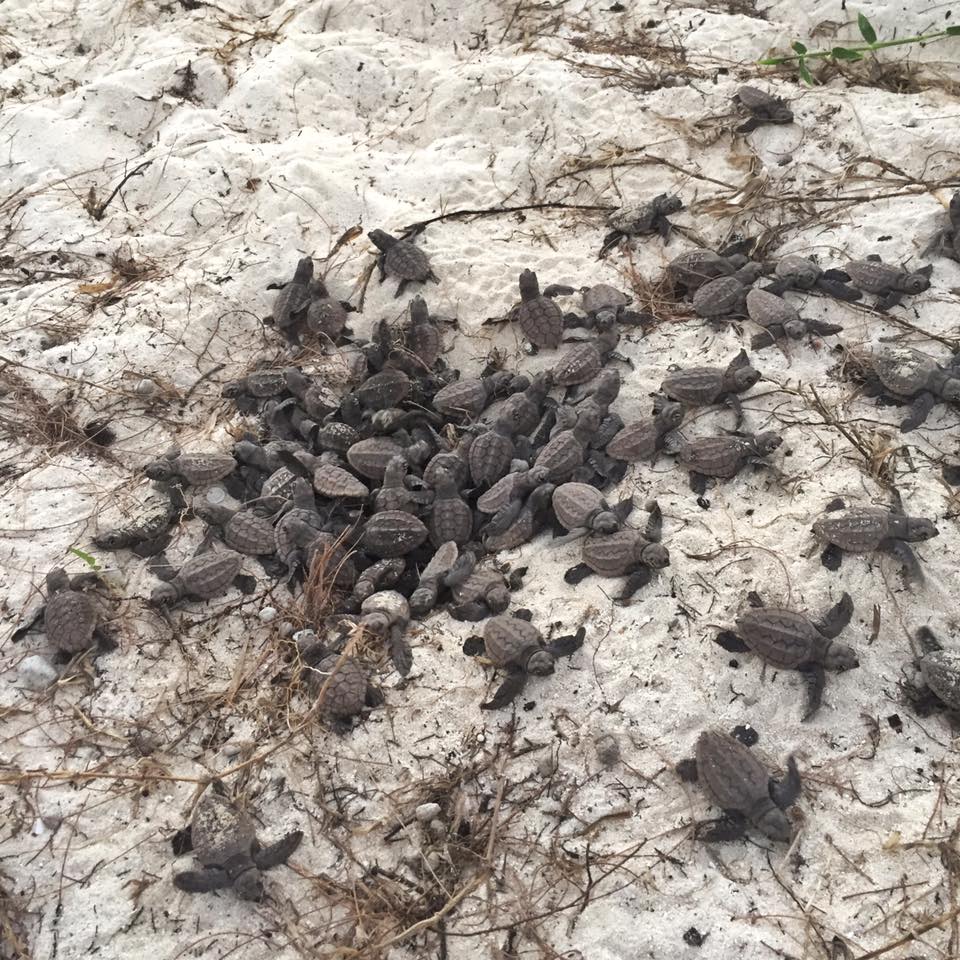
It is important for the turtle hatchling to make their own way to the sea – Yes you can help by shooing away birds & crabs, or guarding the hatchling from sharks in the shallow waters but you really shouldn’t touch or move them. It’s important for them to warm up their body for the big swim they have ahead of them. The hatchling, once it reaches adult size which takes roughly 30 years, will return to the same spot it was hatched to lay it’s own eggs and continue the circle of life.
You can join a complimentary turtle talk held at the information centre – keep an eye out for the Heron Times newsletter for information and times when turtle talks are held, as well as lists of other activities, facts and knowledge of Heron Island and the surrounding Great Barrier Reef.
In season, you may come across researchers on the island who will be scanning for left over nests. They count the amount of shells remaining in the nest to determine how many were laid. They’re good friends to make, as the group we met had plenty of great knowledge to share and they also discovered a baby turtle that had hatched but wasn’t quite ready to make his dash.
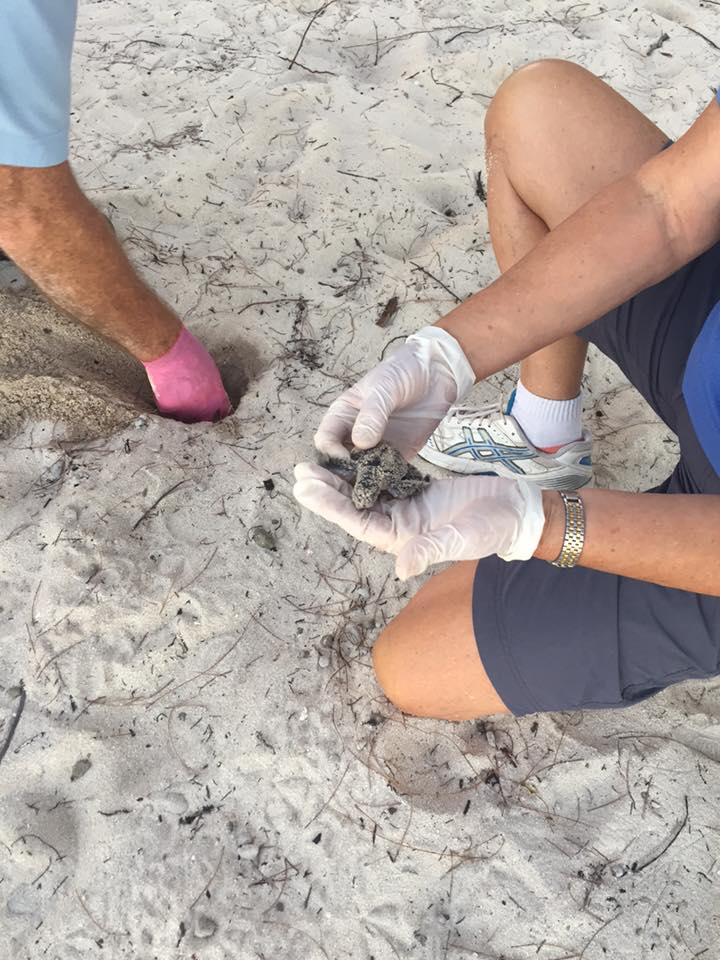
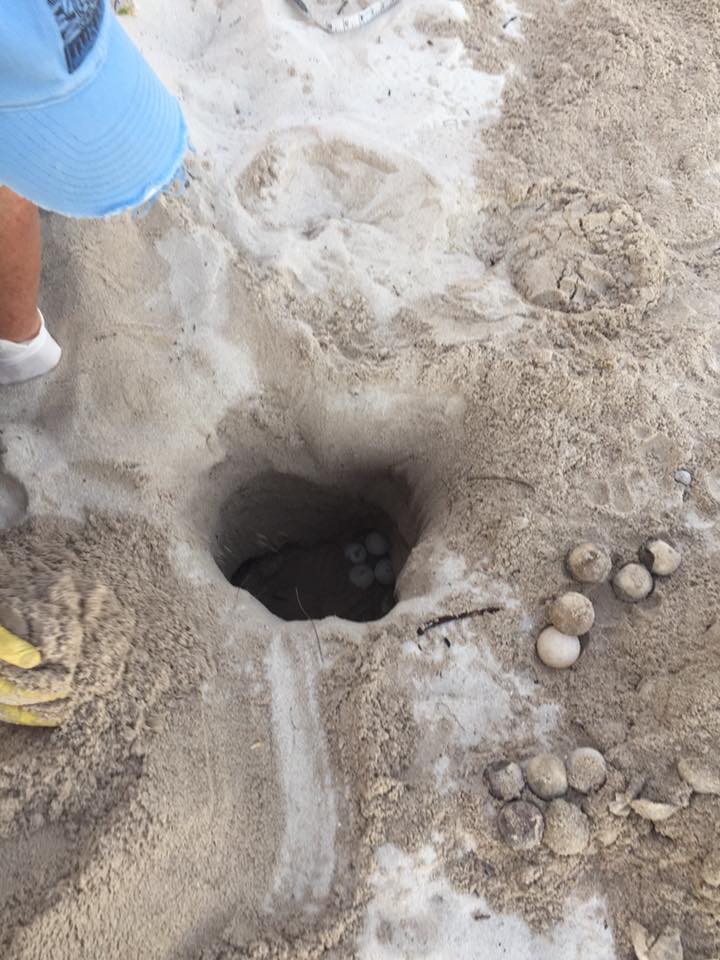
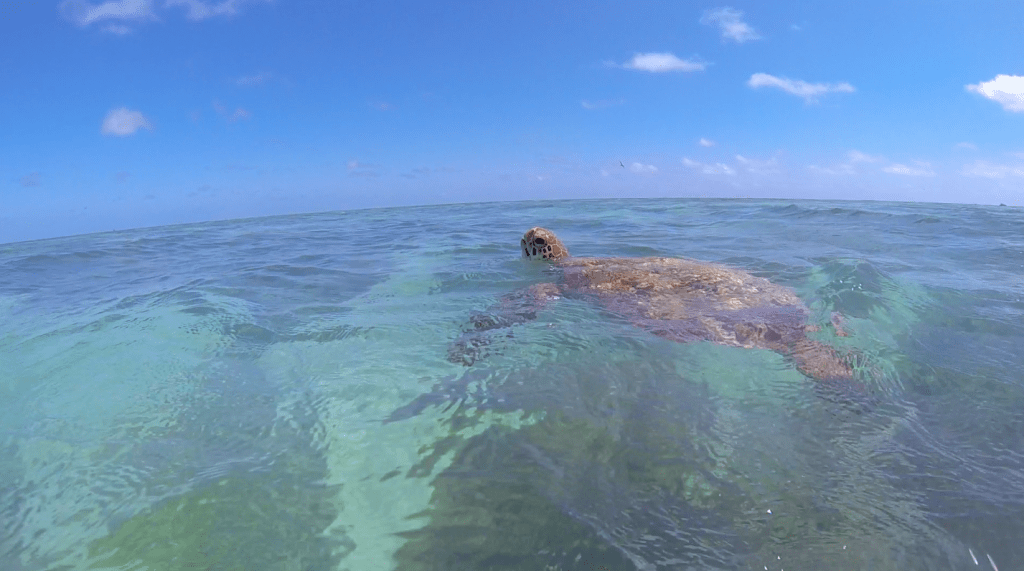
Without a doubt, every day we saw beautiful turtles – they are such peaceful creatures.

 ONLY HAPPY WHEN I TRAVEL