Our first and only mistake with Kyoto is that we didn’t plan enough time in this majestic city! It’s always hard to chose what sites to see more, whether you rush & try to see it all or focus on a main area and truly get to know & explore it. Looking at a map will make attractions appear much closer, but that isn’t the case. Kyoto doesn’t have a solid train system like Osaka or Tokyo so your main transportation is bus or taxi, which can be unreliable or expensive so we opted for two places that were easily accessible by train. If you’re short on time, below is a perfect 1 day suggested itinerary that you can choose to do solely, or add on to your other days spent in Kyoto.
Arashiyama
Meaning ‘Storm Mountains’, Arashiyama is located west of Kyoto itself, but was the main attraction I wanted to see on our short visit. I absolutely loved Arashiyama, even while it rained. A short walk from Saga-Arashiyama station will lead you to an area that felt dreamy and historic – A big change from the city life of Osaka. This gem in Kyoto definitely stole my heart.
Getting to Arashiyama is easily accessible. From Kyoto Station, jump on the JR Sagano line to Saga-Arashiyama Station. From here, it’s a short stroll via paths that are well sign-posted. On the day we visited, a transport officer was handing out maps but you will survive without one.
Arashiyama Bamboo Forest
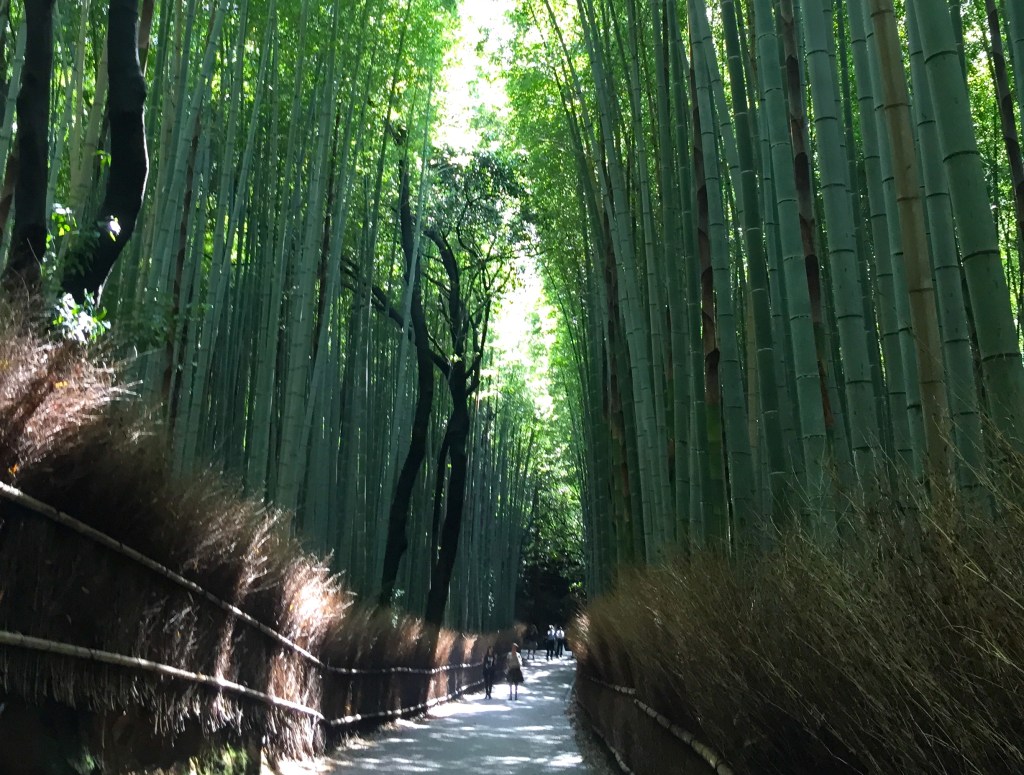
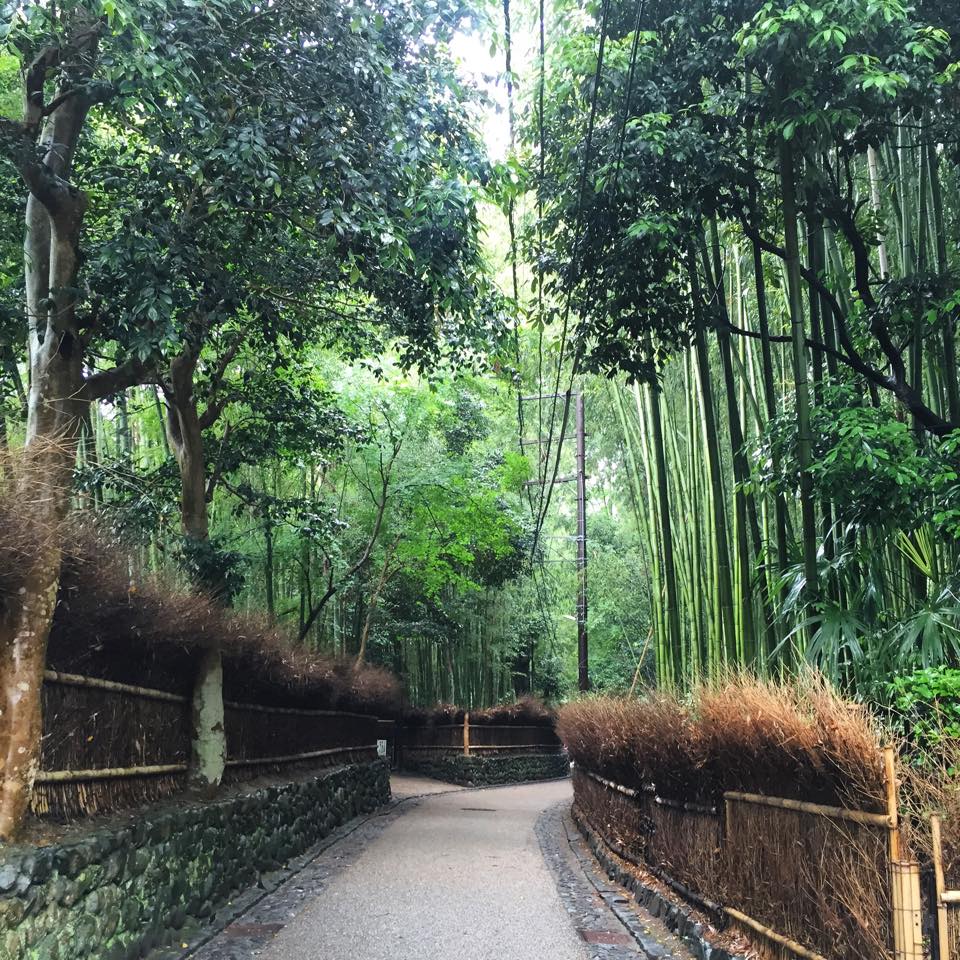
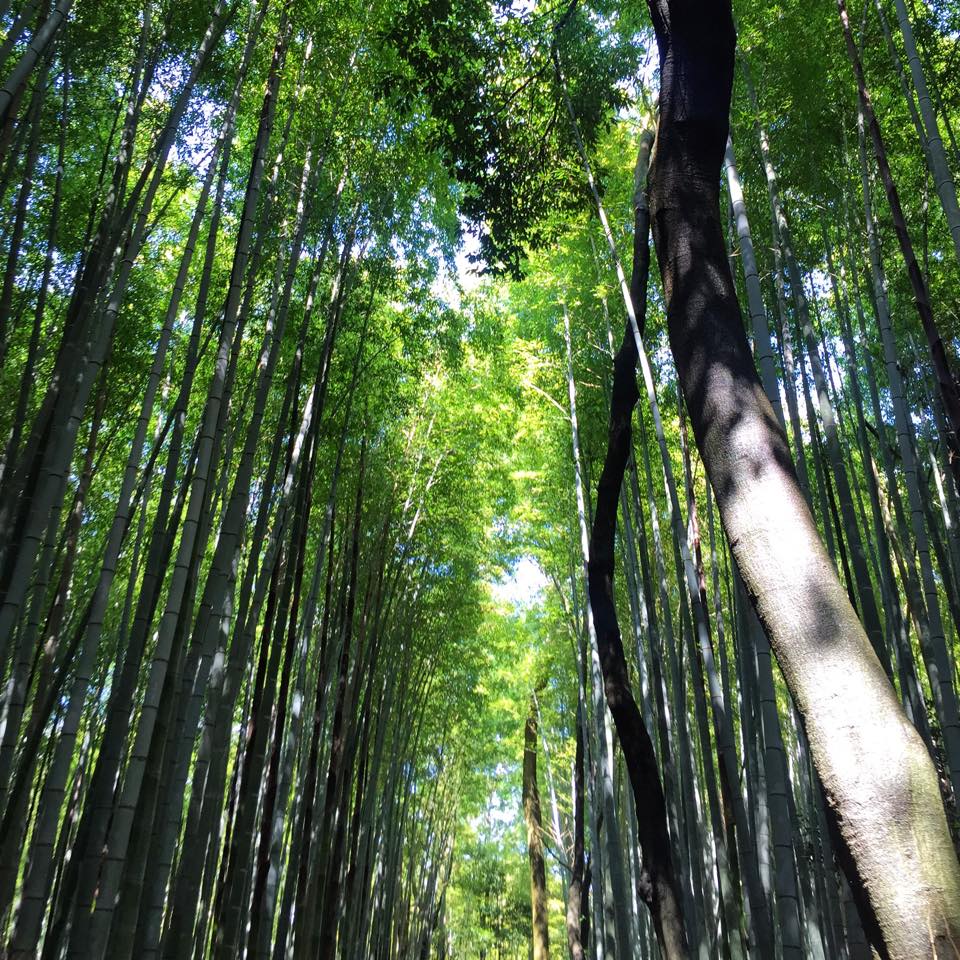
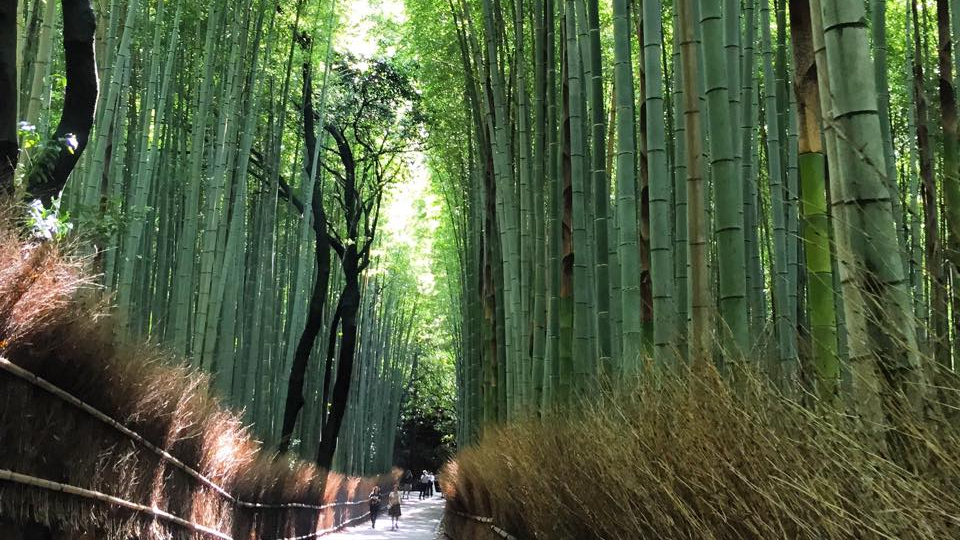
As you meet the main road of Arashiyama, you’ll see a road leading you towards the bamboo groves. Very peaceful to explore, bamboo trees tower high above you as you stroll down a narrow path. The only disappointing fact was that taxi’s and other vehicles were allowed to drive down the same path. I’m sure you wouldn’t believe this! But none the less, it’s a beautiful attraction and no photo can do the place justice.
Tenryu-Ji Temple
Once you reach the end of the Bamboo Paths, you’ll have the option to turn left or turn right – unfortunately we had limited time so I don’t know what lay beyond those paths. Instead, we opted to turn back and enter the gardens of Tenryu-Ji Temple; a UNESCO world heritage site.
¥500 will pay your entry into the beautiful gardens, one of the finest in Kyoto. Follow the path lined with beautiful Japanese style garden beds that lead you to a large pond filled with giant fish, surrounded by trees & beautiful views of the Arashiyama Mountains hidden beneath the fog. A further ¥100 will gain you entry to the temple. As a notion of cultural respect & to keep the traditional flooring clean, all visitors are asked to remove their shoes before entering.

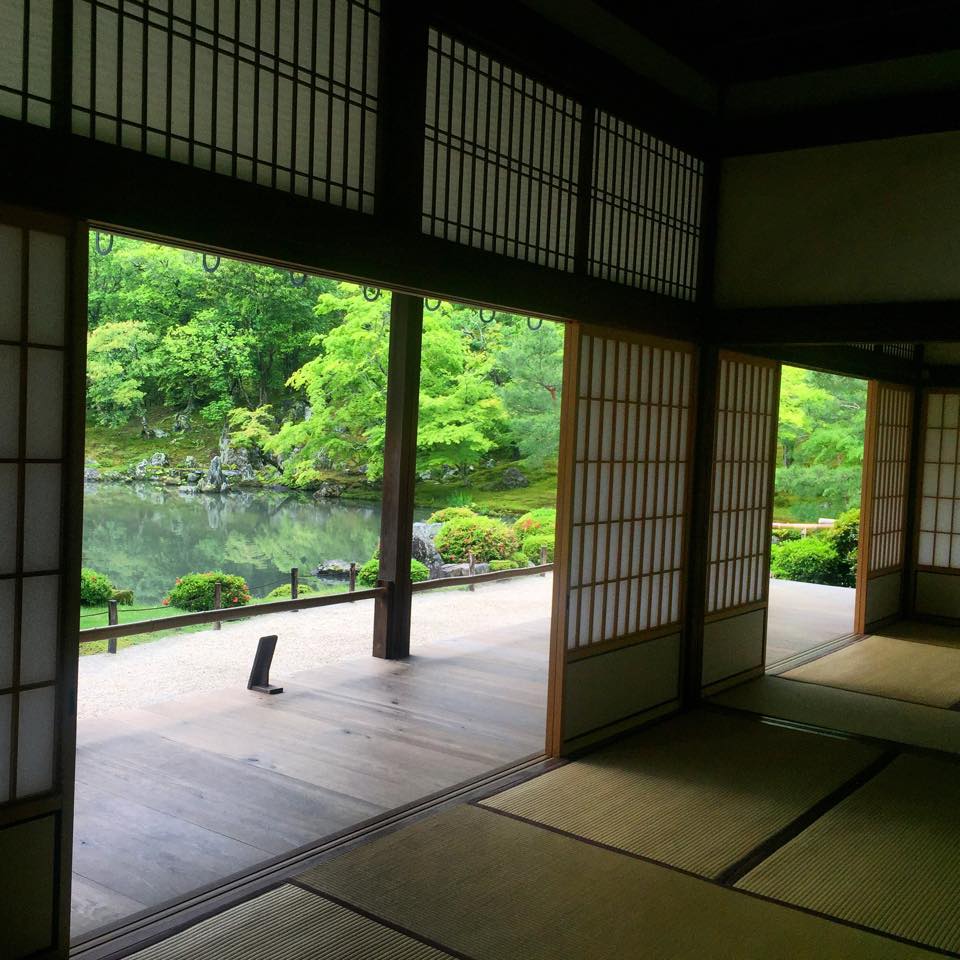
Leaving the temple, we head towards the main street. A street filled with freshly cooked food, spices for sale, matcha flavoured ice-cream and souvenirs that will keep you wandering towards the famed Togetsukyō bridge. It was at the riverbanks that it truly hit me how beautiful this part of the world is yet so unique and different to any place that I have visited before.
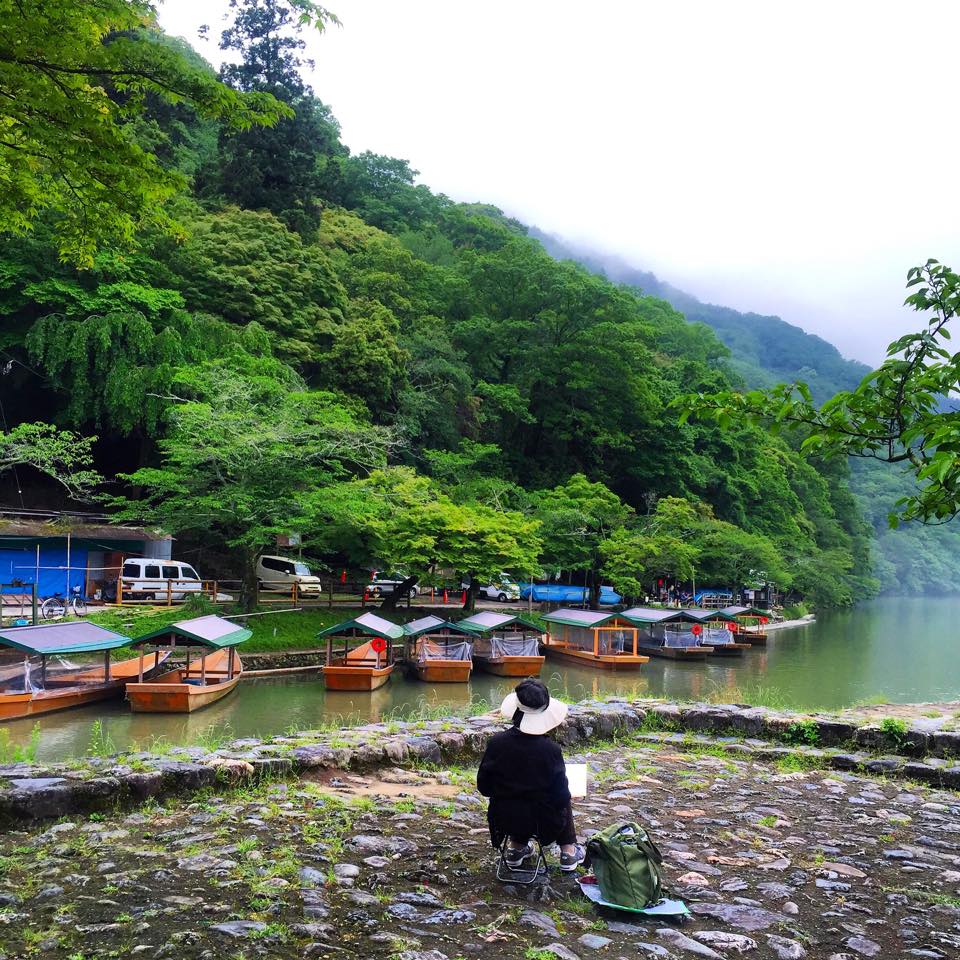
Iwatayama Monkey Park
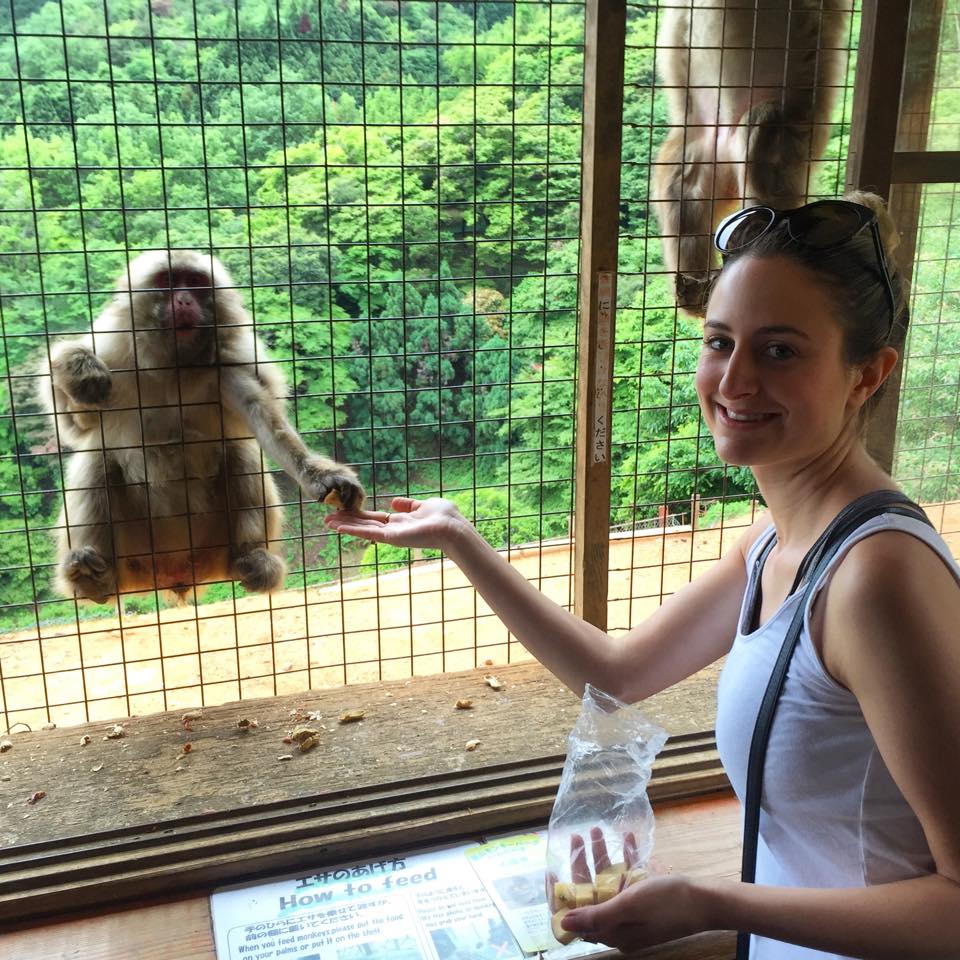
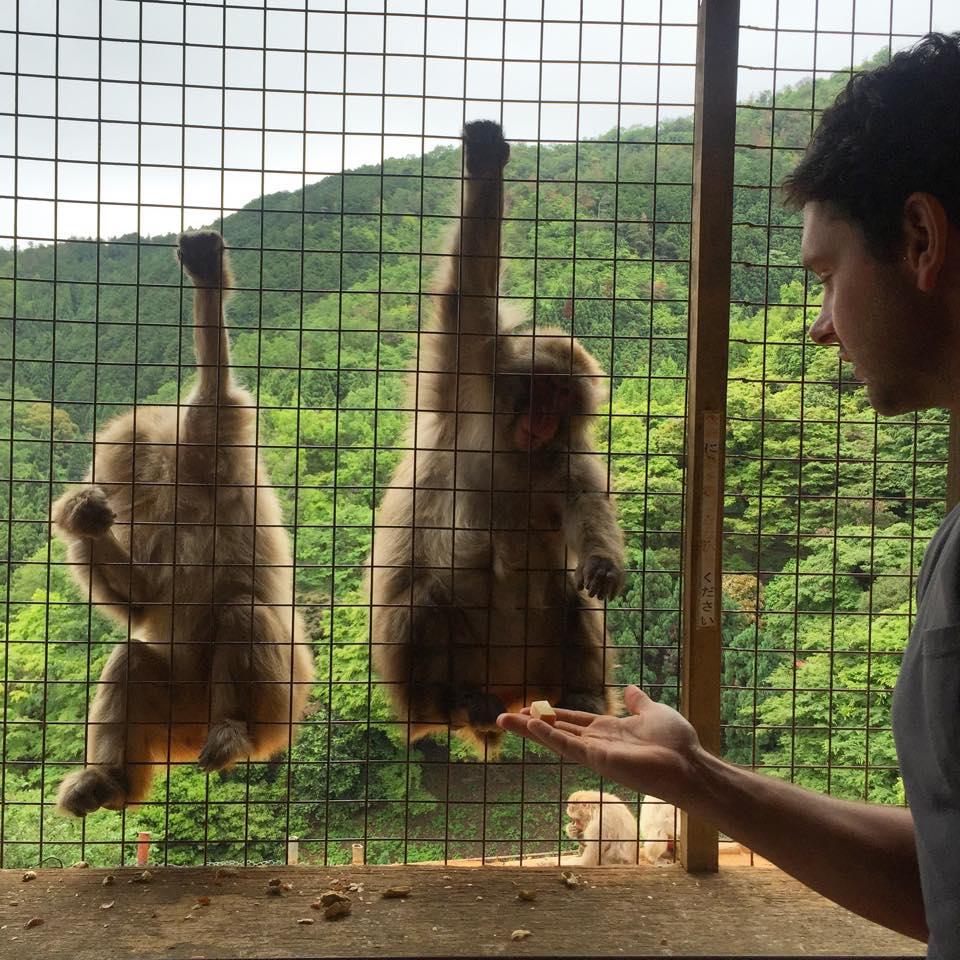
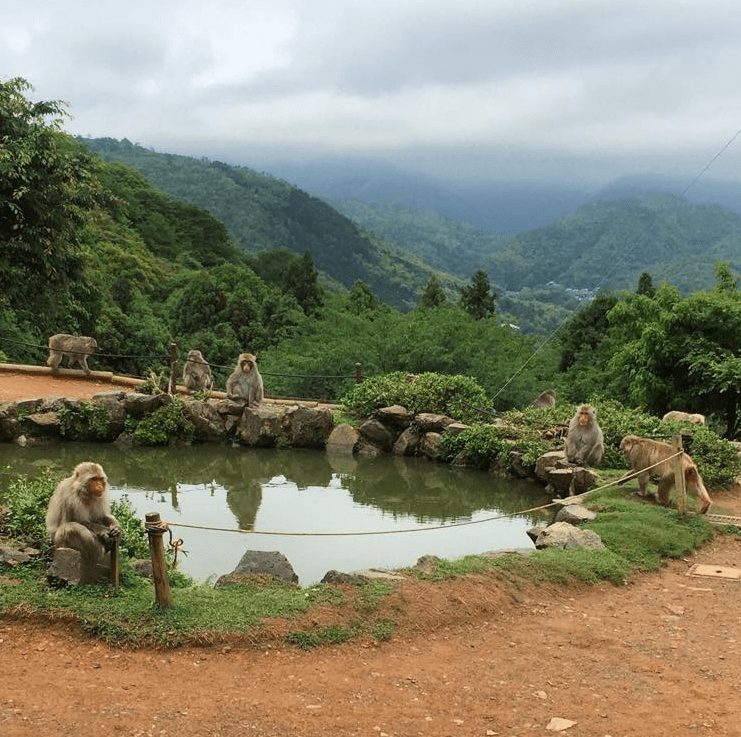
Passing Togetsukyō bridge, we veered right towards the waters-edge to the entrance of the Iwatayama Monkey Park – ¥500 will lead you on a quite intensive (you could say I’m unfit) 20 minute climb up the luscious green mountain where hundreds of ‘wild’ snow monkeys roam the area, awaiting to be fed. Many warning signs will tell you not to look the monkeys in the eyes. It’s a nice twist to common practices as the monkeys are free to roam around whilst us humans need to enter a cage to feed them. Monkey food can be purchased for ¥100 yen including apples & peanuts in their shell. It really is an experience!
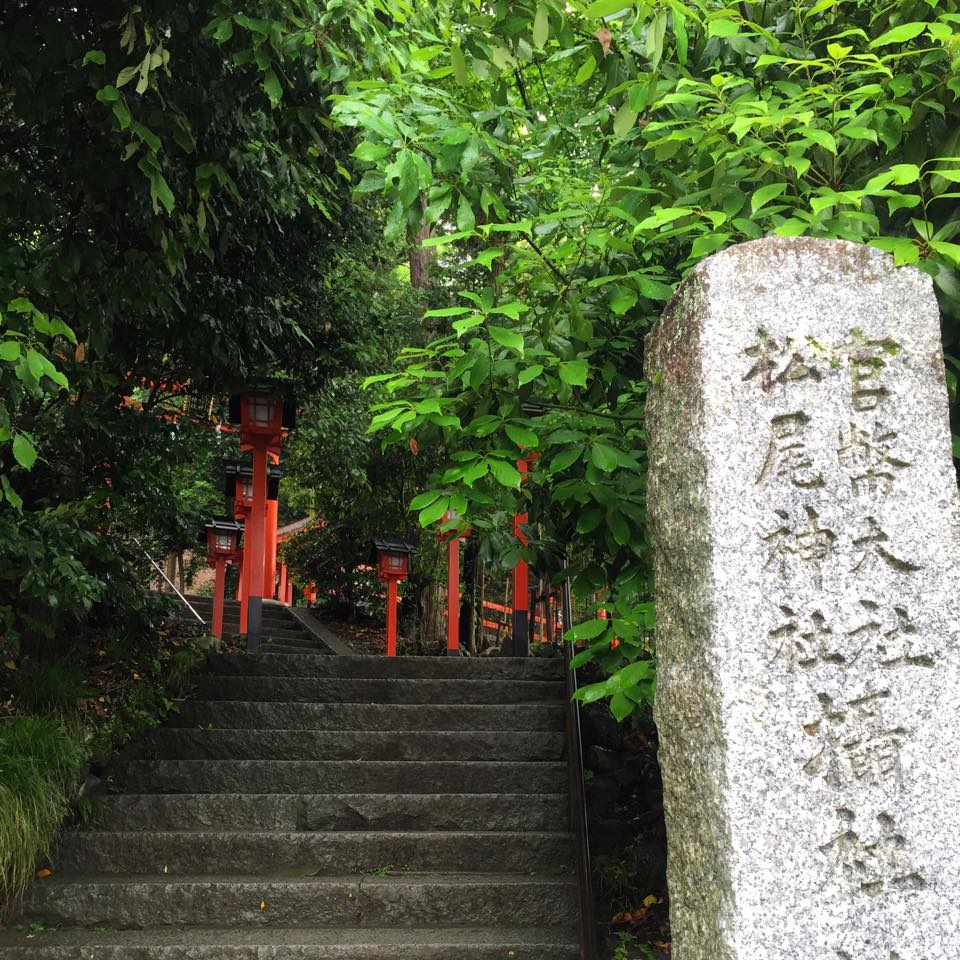

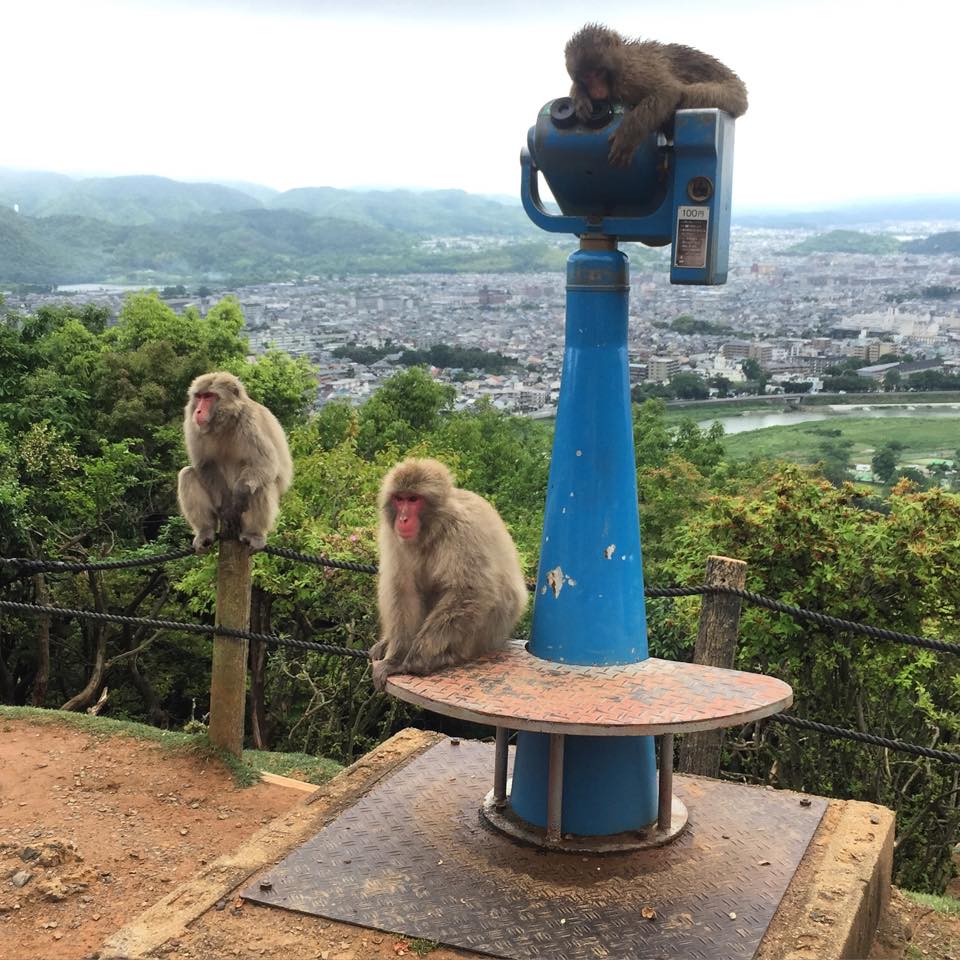
The climb, that takes you 160 metres above sea level also provides you with beautiful panoramic views of Kyoto below, however it’s hard to enjoy the view when crazy monkeys are running around you! It was a fluke that we visited at the time the monkeys are fed – hysterical music played as a man threw food up into the air and the monkeys scrambled after him. If you can time your visit for this, it’s quite the novelty.

The descend back down is simple as you follow the path that leads you back to the riverside. We caught the train back to Kyoto station, jumping on the JR Nara Line to Inari Station. This was our second and last site for the day but it did not disappoint.
Fushimi-Inari Shrine
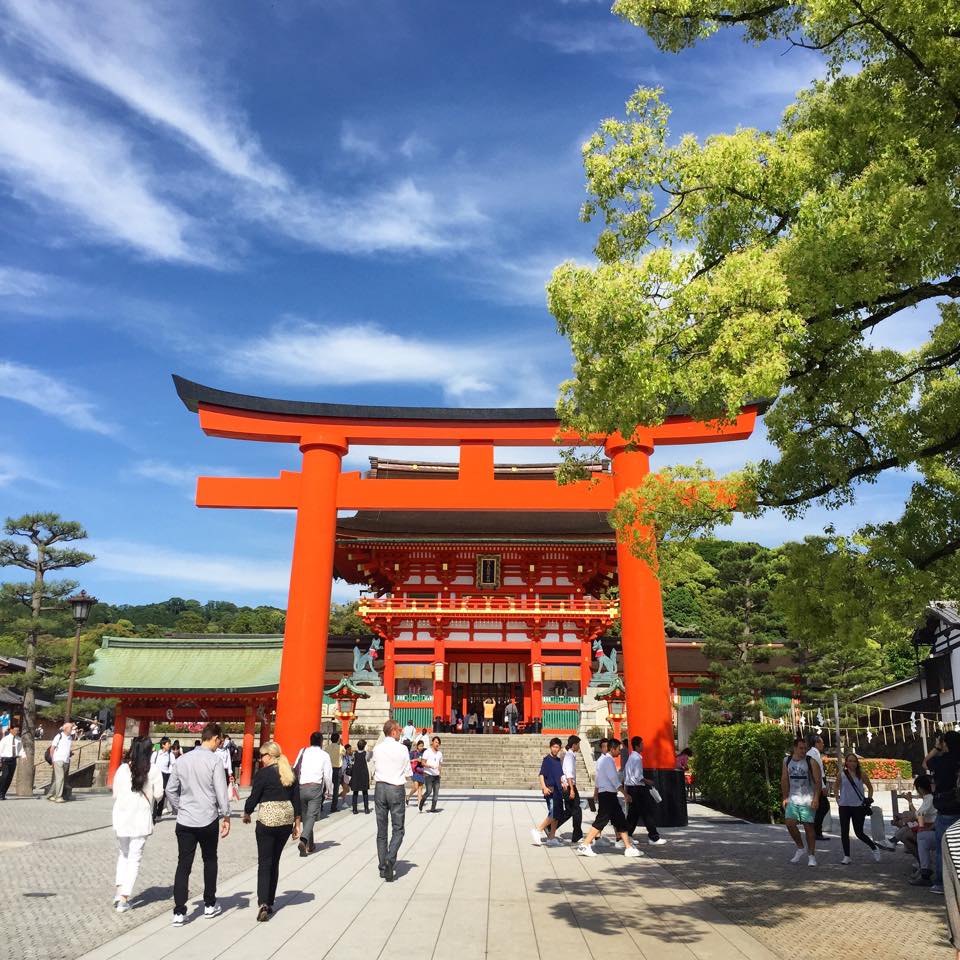
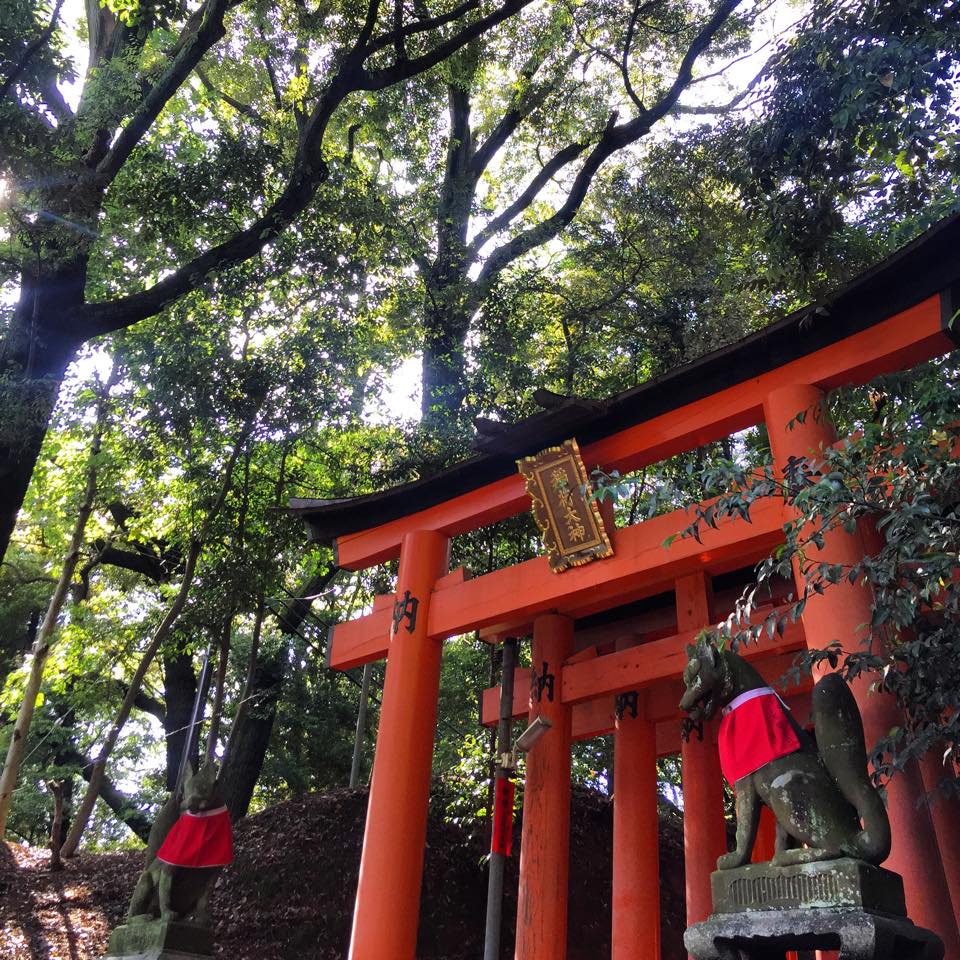
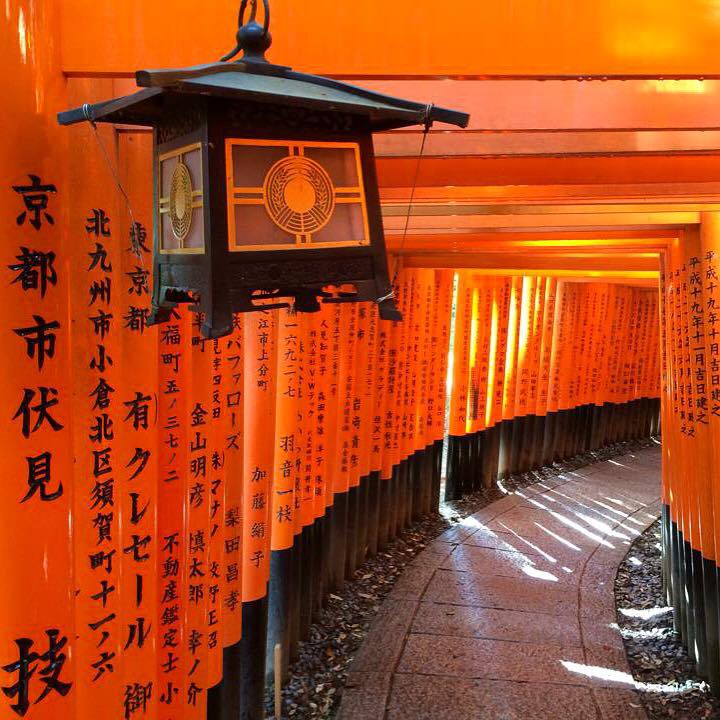
The dark grey clouds lifted away to reveal beautiful blue skies as we approached the shrine. Located in southern Kyoto, Fushimi-Inari is famous for its thousands of bright red torii gates. On entrance, you’ll notice the fox statues which are thought to be Inari’s messengers. Inari, from what I have read, is the Shinto god of rice. The trail, although deceiving at first, leads into the wooded forest of the sacred Mount Inari on a 4km walk up the mountain. The paths are lined with thousands of torii gates so close together that it forms a shaded path which has become the main tourist attraction.


Entry to explore is free, and many tourists (including ourselves) flooded the site. As we continued further up the mountain, fewer gates surrounded the track and we joked that tourists were ‘dropping off like flies’ to avoid the climb. It wasn’t long until we became those same flies, turning around & heading towards the station as we had done enough walking for one day.
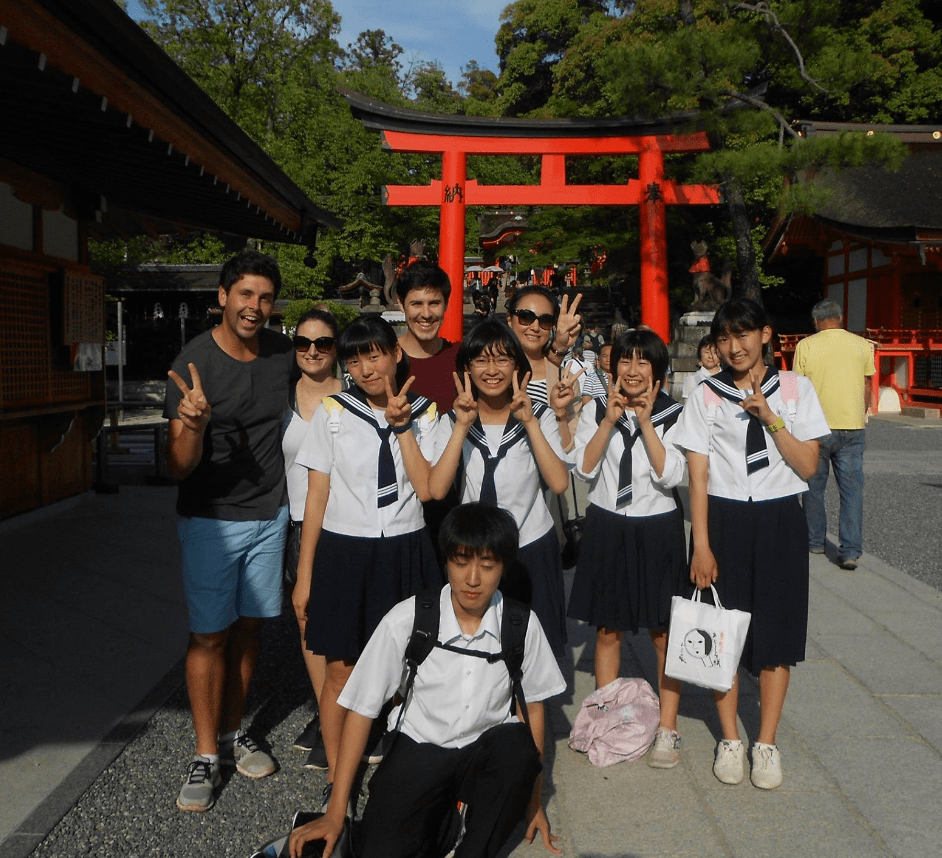
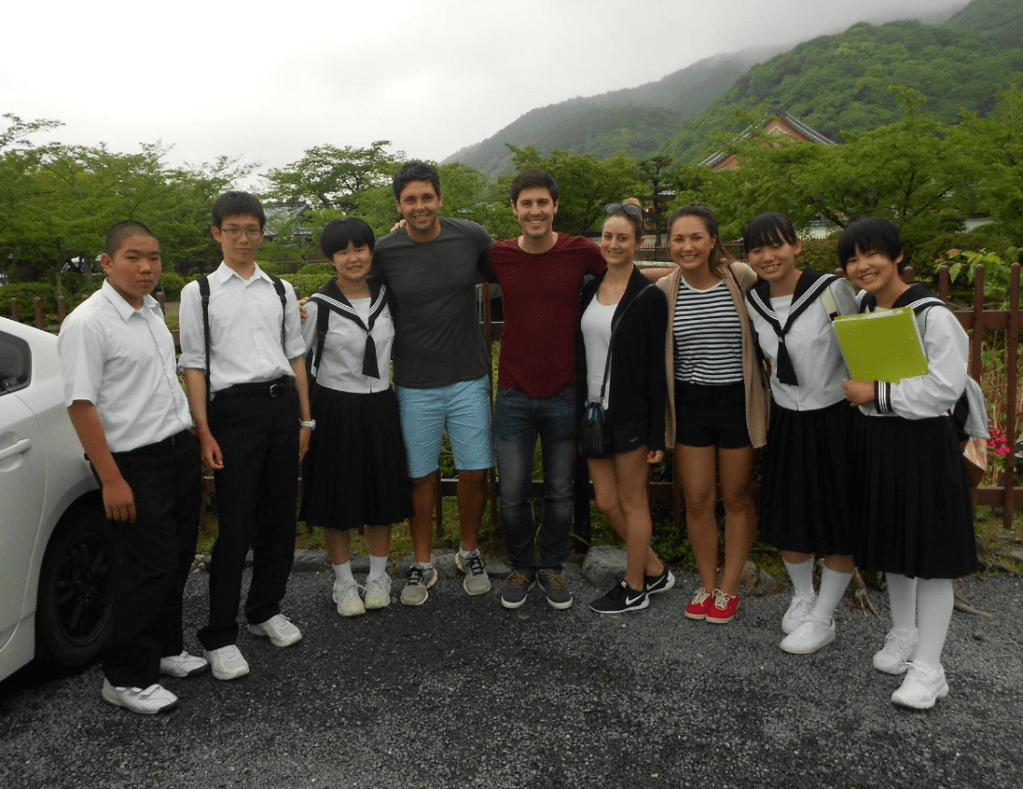
All day we felt famous as we were approached by Japanese school kids who would ask us questions in the English they were learning. They were a friendly bunch & after our mini interview we would pose for photos with the group. All the locals we encountered were lovely! Such a well-mannered country. We caught the bullet train back to Shin-Osaka before swapping lines back to Osaka Station & our short trip to Kyoto was over.
 ONLY HAPPY WHEN I TRAVEL