Reading a newspaper article titled ‘strong 6.8-magnitude earthquake hits off the North-East Coast of Japan’ was how I awoke on the morning of our flight to Narita airport, Tokyo. I tried to ignore the first paragraph detailing how the earthquake that happened offshore could be the start of more earthquakes to come. It could be cool though, right? I mean as long as everyone is safe & there is no damage, it would be an experience to be in a country during an earthquake. But after seeing the devastating aftermath of Nepal, I’m thankful that we didn’t encounter one on our stay.
It was Jetstar Australia’s ‘Take a Friend for Free’ sale that enticed us to Japan & after choosing additional luggage, our flights were booked for $533 return. Direct flights for Tokyo departed from the Gold Coast and as our friends lived in Queensland, we flew from Sydney to the Gold Coast so we could catch the same flight. Take a friend for free, you’re asking yourself? Jetstar frequently offer various sale fares, this particular sale allowing you to book 1 ticket for the advertised price & the second ticket free!
Our first experience of Tokyo was our arrival at 12:00am at Shinjuku station. That same night we arrived at Narita airport at 7:00pm. Somehow we managed to take 5 hours to get to Shinjuku Station – the busiest train station in the world. I’m not sure how we failed so miserably, but at our stupid mistake (or lack of research) we hopped on a local train instead of the express. This was our first experience of how kind the Japanese really are! We purchased a Narita express ticket for roughly AUD$30 each & they refunded us the difference for getting on the wrong train – score! The additional money paid for our taxi to the hotel as we were too tired to get lost again.
Tokyo is on such a large scale so when planning, try not to think of Tokyo as one city. It’s best to look at Tokyo sectioned into it’s 23 wards & each of those wards further divided into districts e.g. In the ward of Taito, you’ll find the district of Asakusa where the famous Senso-Ji Buddhist Temple lives. To help you with your planning, I’ve split up each of the wards that we explored into sections, each easily accessible by both rail & foot.
Shinjuku
Before I arrived in Tokyo, I researched from both travellers’ blogs & advice from friends what the best area to base yourself in Tokyo is. After discovering Shinjuku was best for us, I had the decision on whether to stay on the east (known as the red-light district) or the west (skyscraper, business district). As we spent time in Tokyo at both the beginning and end of our trip, we decided to split the accommodation between the two but let me tell you my honest thoughts… Stay in the east!
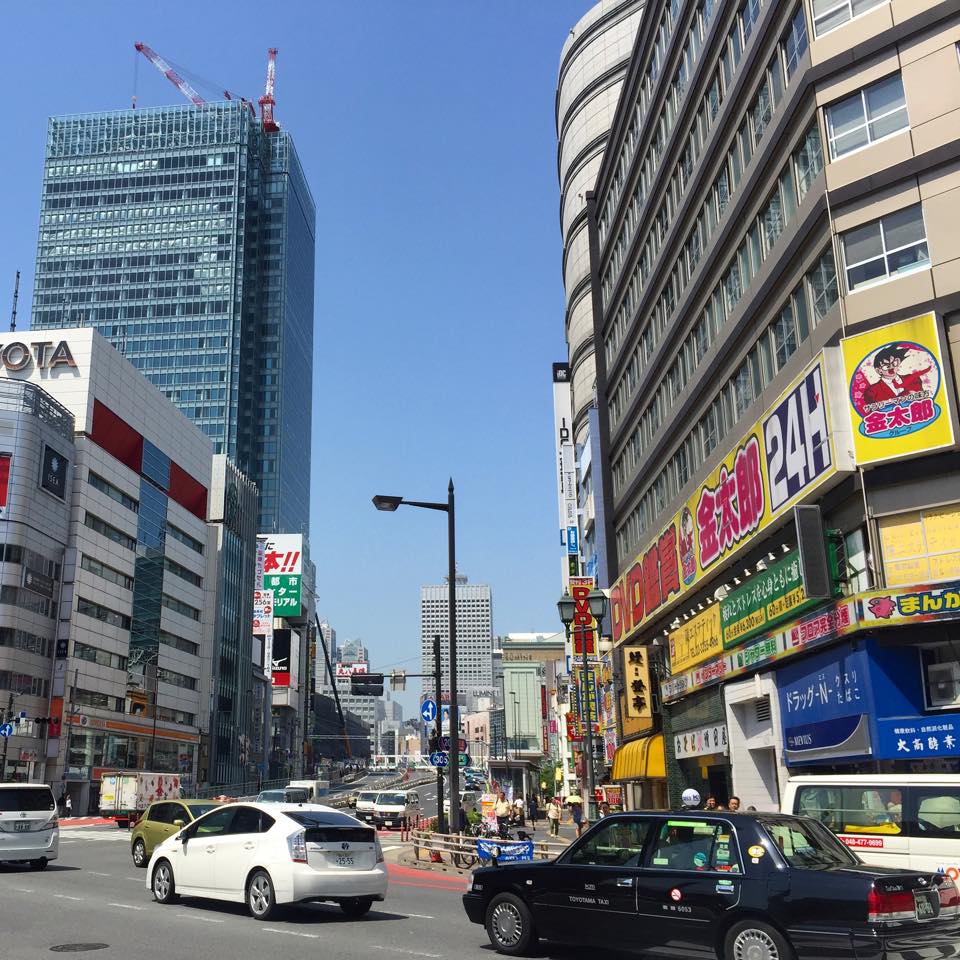
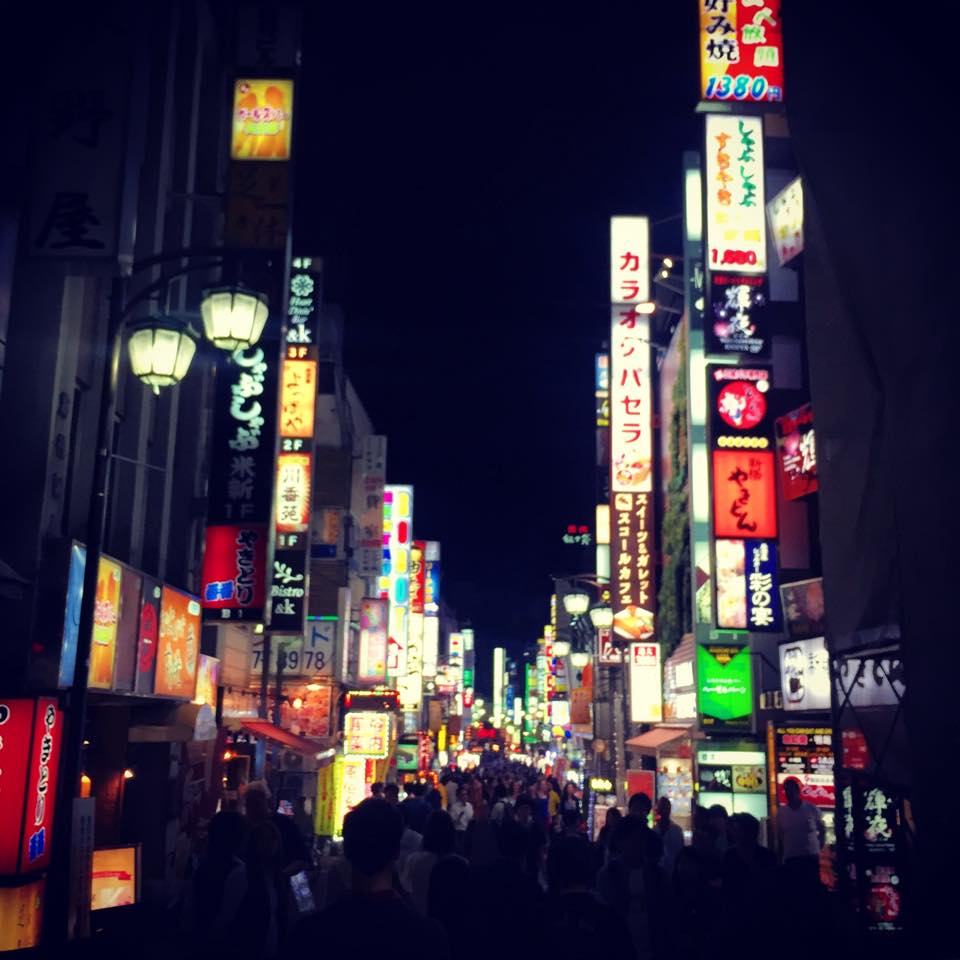
We booked this awesome hotel in the east side of Shinjuku that had only been opened for 3 weeks and was a stone-throw away from Kabukicho, the red-light district of Tokyo. Filled with addictive night-life as you follow the crazy neon-light streets and back ally-ways that gave you a slight traditional-Japanese feel, your nights will be filled with so much fun as opposed to the west side of Shinjuku, where we spent the end of our trip. You can notice the change when walking from the East to the West as the streets become cleaner & the air a little fresher but it’s a bore until you cross back over to ‘the dark side’.
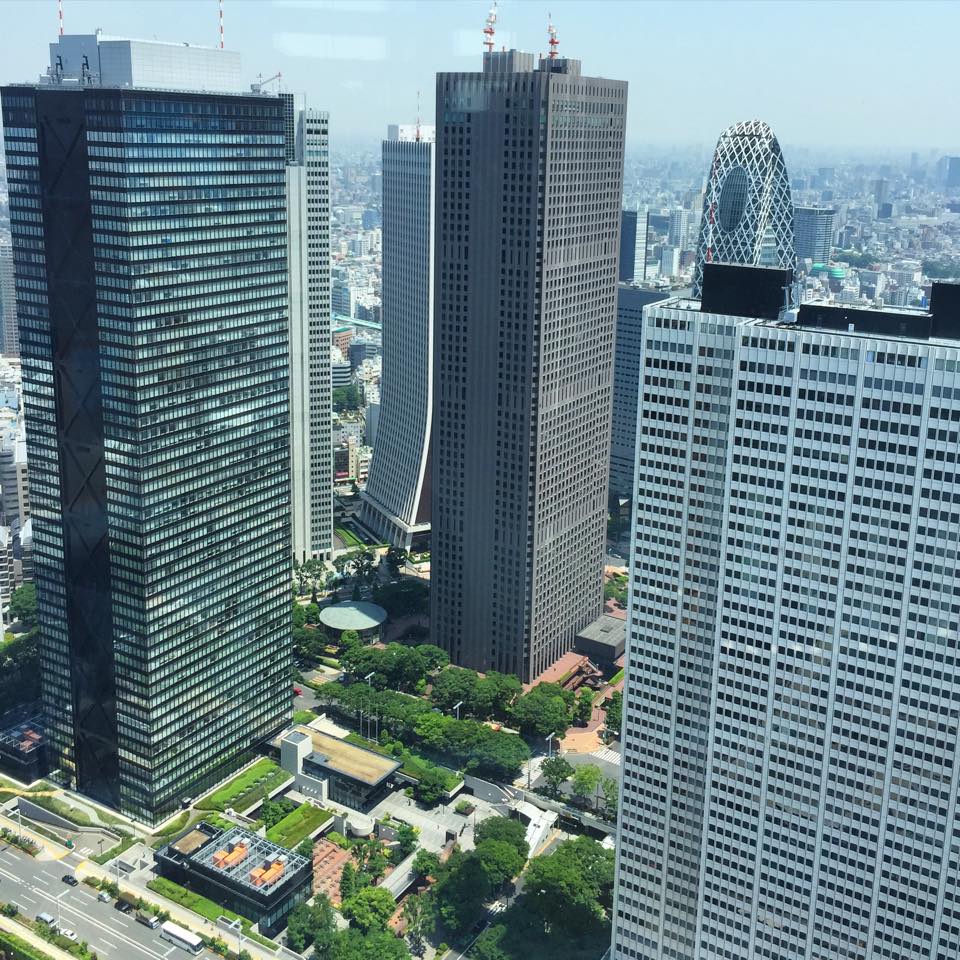
If the weather is clear, head up to the observation deck on the 45th floor of the Tokyo Metropolitan Government Building. Building #1 is where the views of Tokyo will be awaiting you & the best part of this attraction is that entrance is free! It’s rumoured that on clear days, you have beautiful views of Mount Fuji however we were unlucky as thick smog blurred the horizon where the famous volcanic mountain sits.

For a fun-filled yet ridiculous night, you can’t miss booking tickets to the infamous Robot Restaurant in Kabukicho. I felt like I was watching a horror film from the 1970’s featuring Ridley Scotts ‘Alien’ & the main words you’ll find escaping your mouth start with ‘what the ….’. For how futuristic Tokyo really is, like when the taxi driver yells at you not to slam the door as the door shuts itself, the restaurant could really upgrade their robots & show! But with alcohol and popcorn on the menu, you’re in for a good night of laughter.
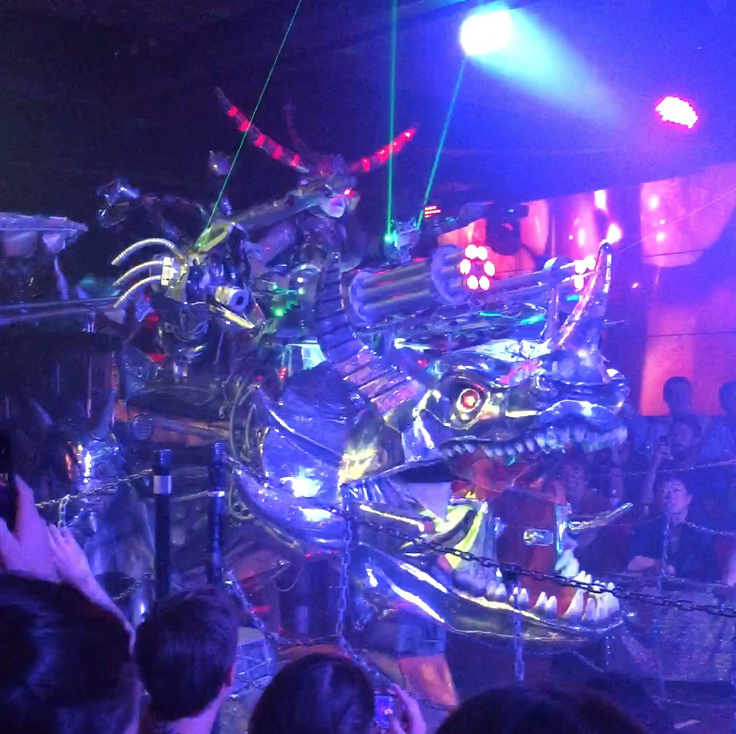

We wandered the streets on search for Golden Gai, a tiny-fragment of old un-developed Tokyo where 6 tiny ally-ways are filled with hundreds of bars, or so we were told but we couldn’t find it! Instead, we head to a karaoke bar which you can find on almost every corner in Shinjuku. So much fun! Don’t be scared off, you don’t have to sing (horribly) in front of everyone. For a set price per hour, you hire out a private room where you can sing til your hearts content!
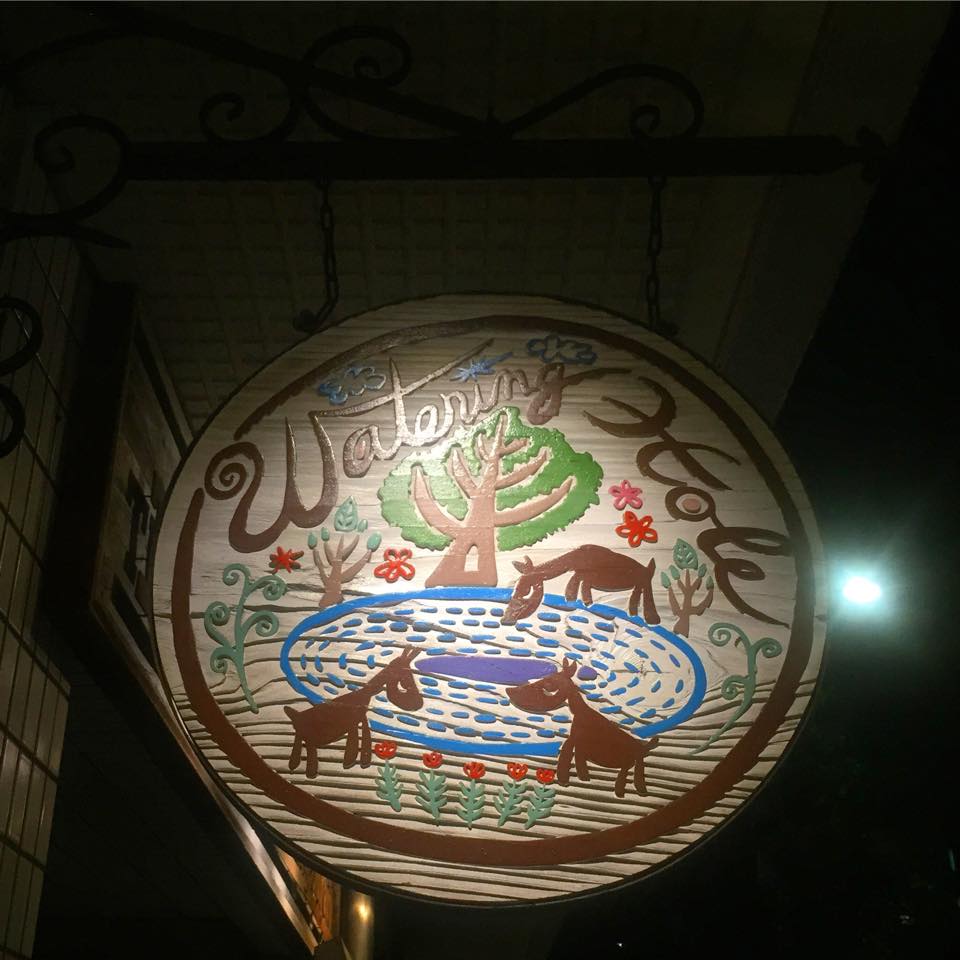
Worth a stroll to is the Watering Hole, a craft beer pub located a short walk from Shinjuku stations south-east exit. You might be surprised to know, as were we, that home brewing is actually illegal in Japan. None the less, we found in this cute hole-in-the-wall pub is craft beers on tap, Gyoza (Japanese dumpling) & cheesy-bacon fries – dumplings & beer are a delicious combo, but I’d never guess that cheesy-bacon fries would be on the menu. The Watering Hole is a great place to spend the afternoon enjoying Japanese & other world-wide beers.
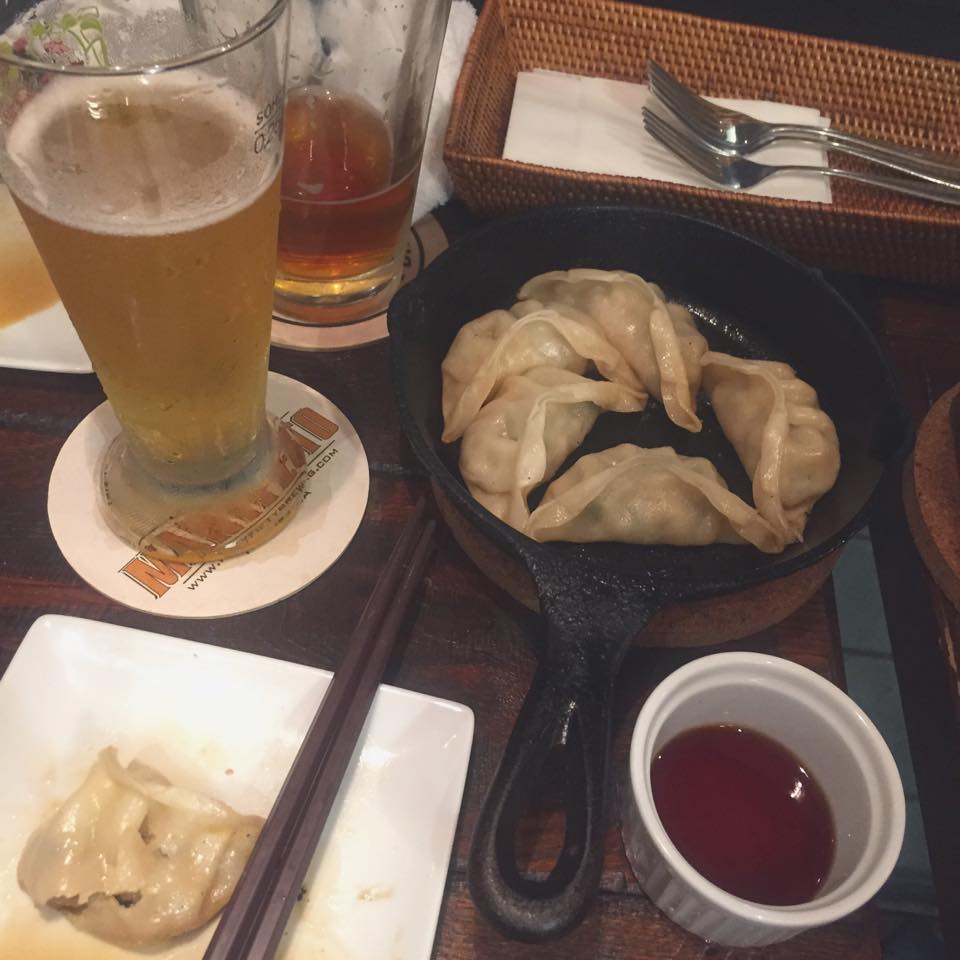
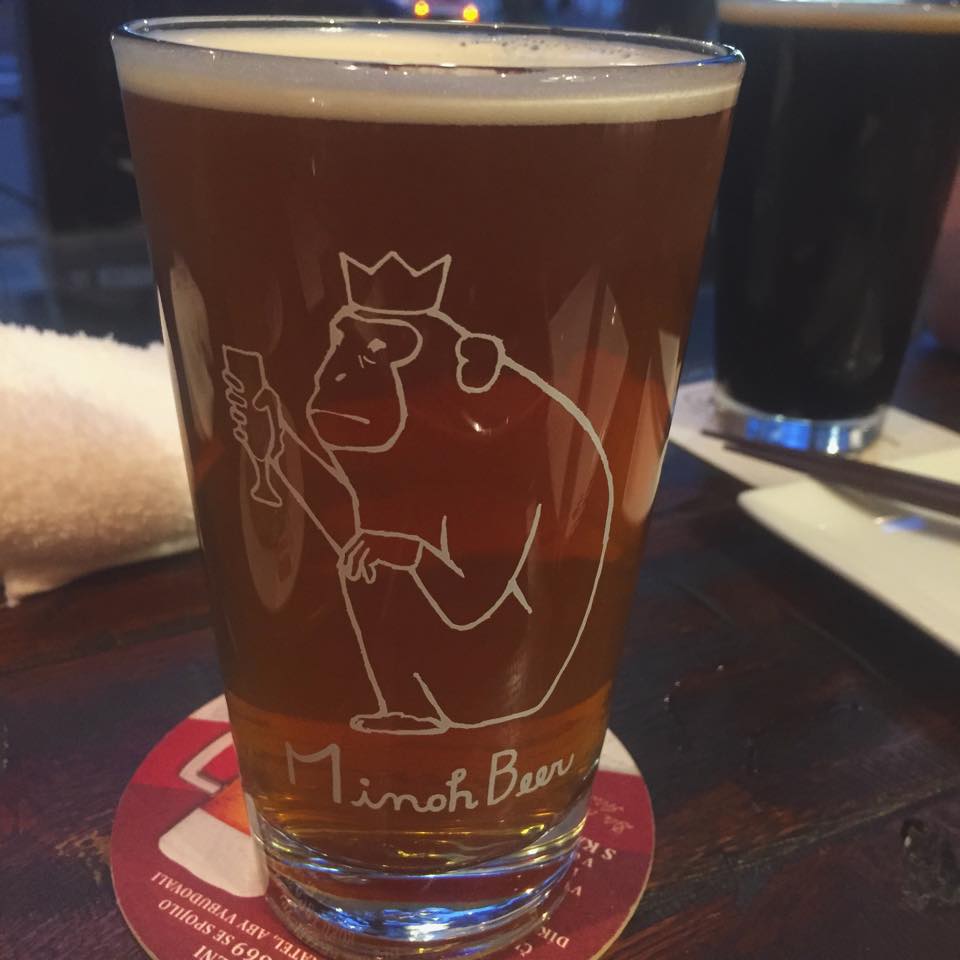
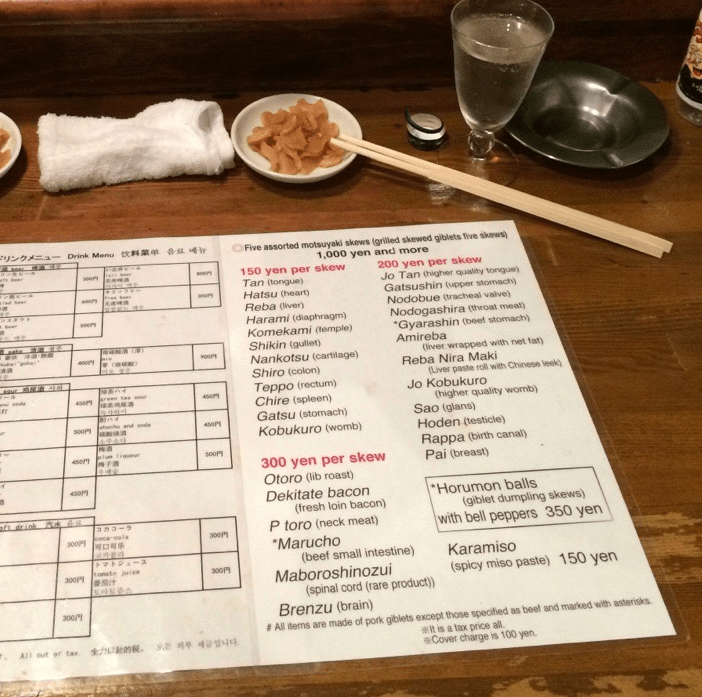
After something quirky or ‘off-the-beaten-track’? It was after the Watering Hole that Terri & I headed for bed and the boys searched the nearby alleyways for somewhere to eat as they stumbled across Horumonyaki. Similar to, yet a giant step from your traditional Yakitori (typically chicken skewers), Horumonyaki include skewers with parts of the animal you wouldn’t normally consume such as heart, tongue, birth canal (?). The boys were coaxed in by the amount of locals that filled the stand up bar and of course the shouting of excitement from bar staff & chefs as they entered. They asked for a menu detailed in English where they discovered this estranged style of eating, which they surprisingly enjoyed! Unfortunately they were all out of high quality womb & testicals (or so they told us). And just in case you don’t believe me, here is photo-evidence of the menu.
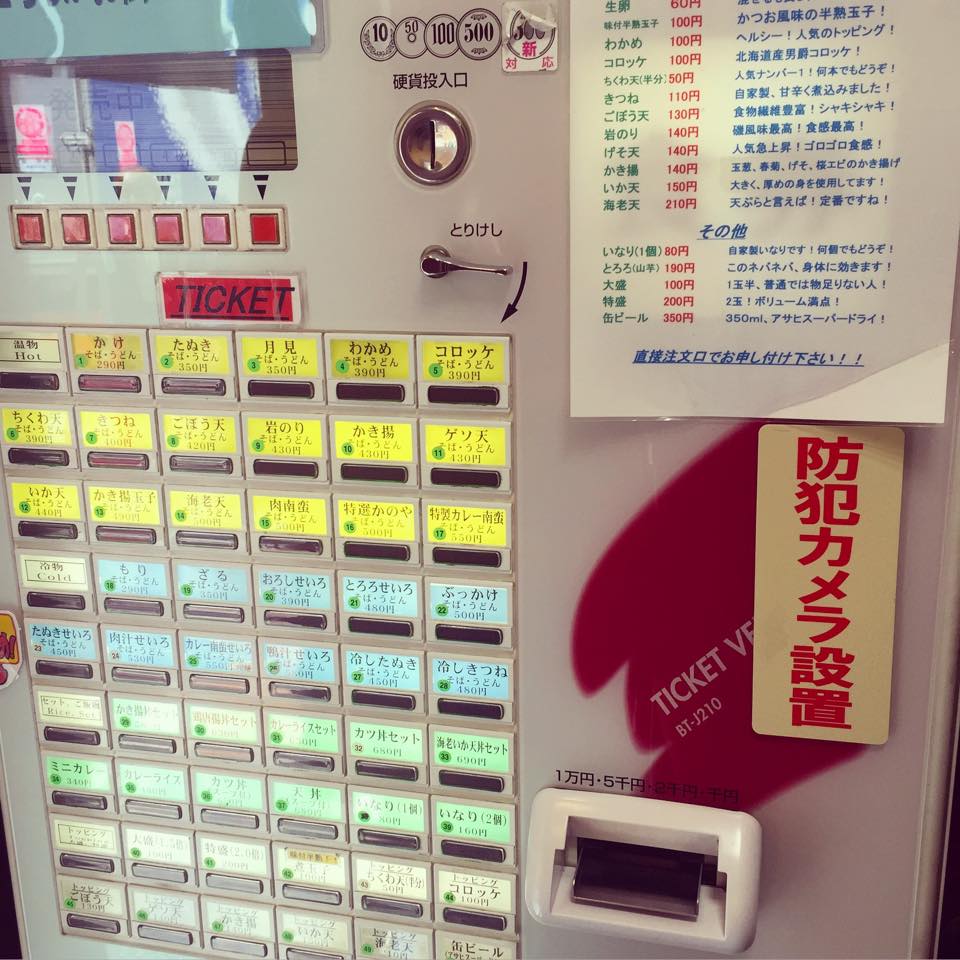
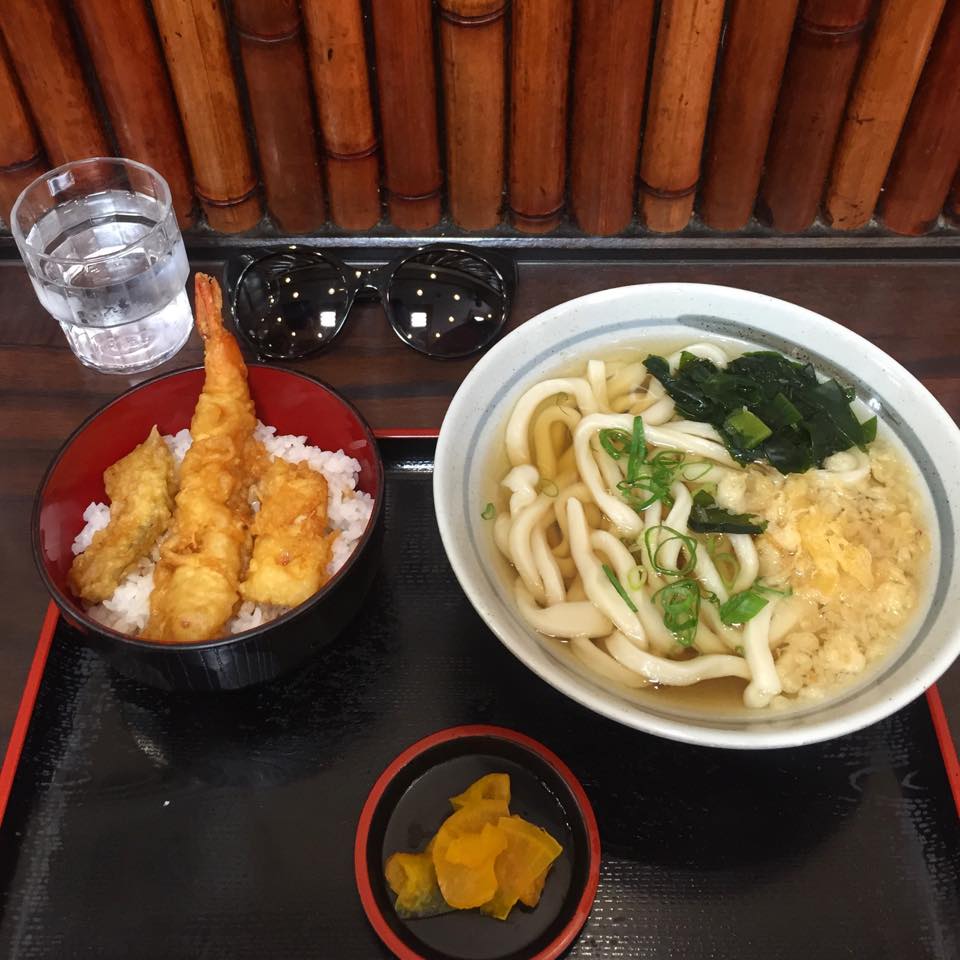
Another of our favourite eating spots was actually our first breakfast which we got from a vending machine. Don’t worry, the food isn’t stored and dispensed from the vending machine itself, you simply order your dish this way and it’s then cooked up fresh by the chefs in the kitchen inside the store.
Shibuya
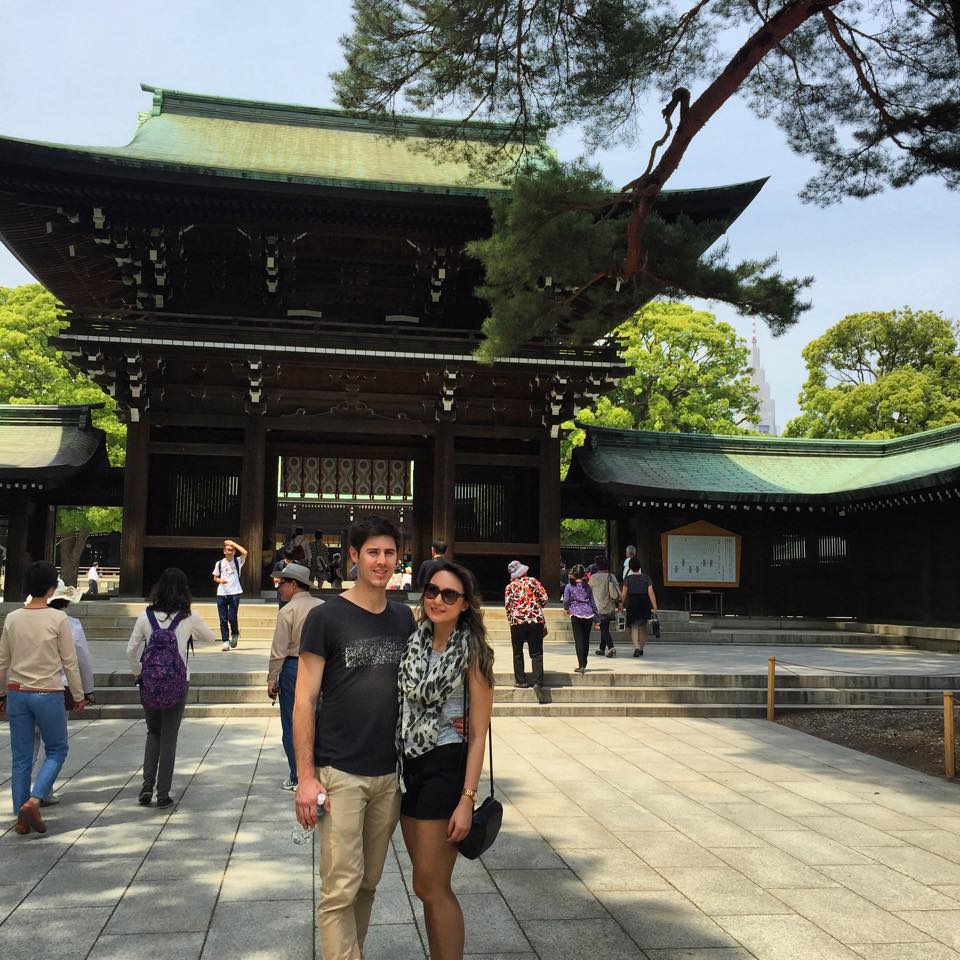
We walked from Shinjuku into the Shibuya ward, stumbling across the Yoyogi pony park sitting on the edge of the forest of Meiji Jingu. As we entered under a Torii (traditional Japanese gate), we instantly felt a sense of peace as we followed the shaded forest path that would lead us to Meiji Jingu, a Shinto Shrine. It was hard to believe we were in the bustling city of Tokyo!
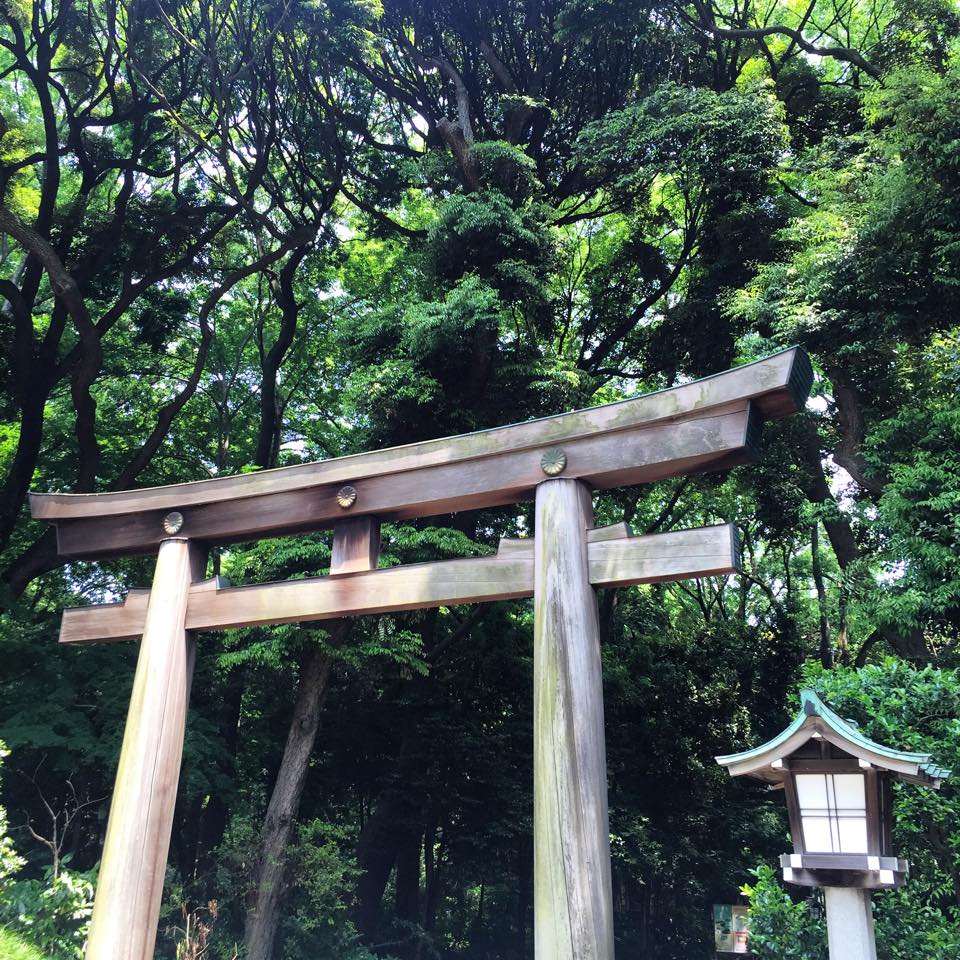
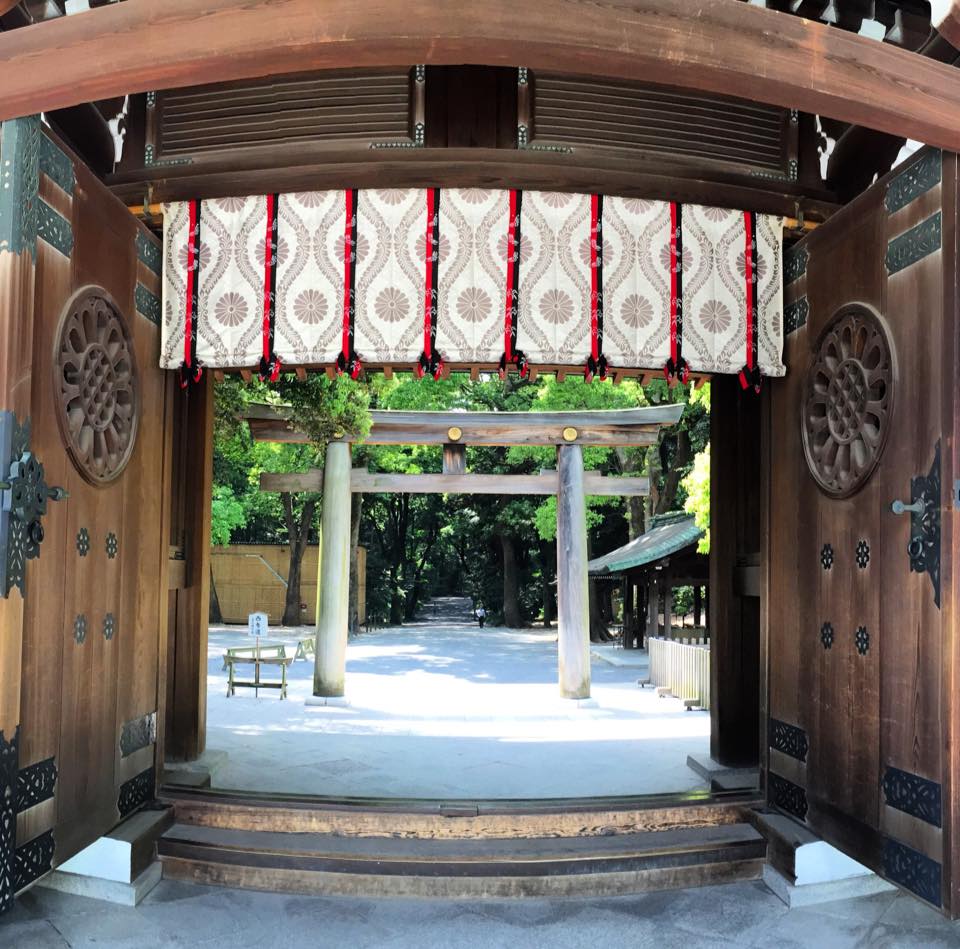
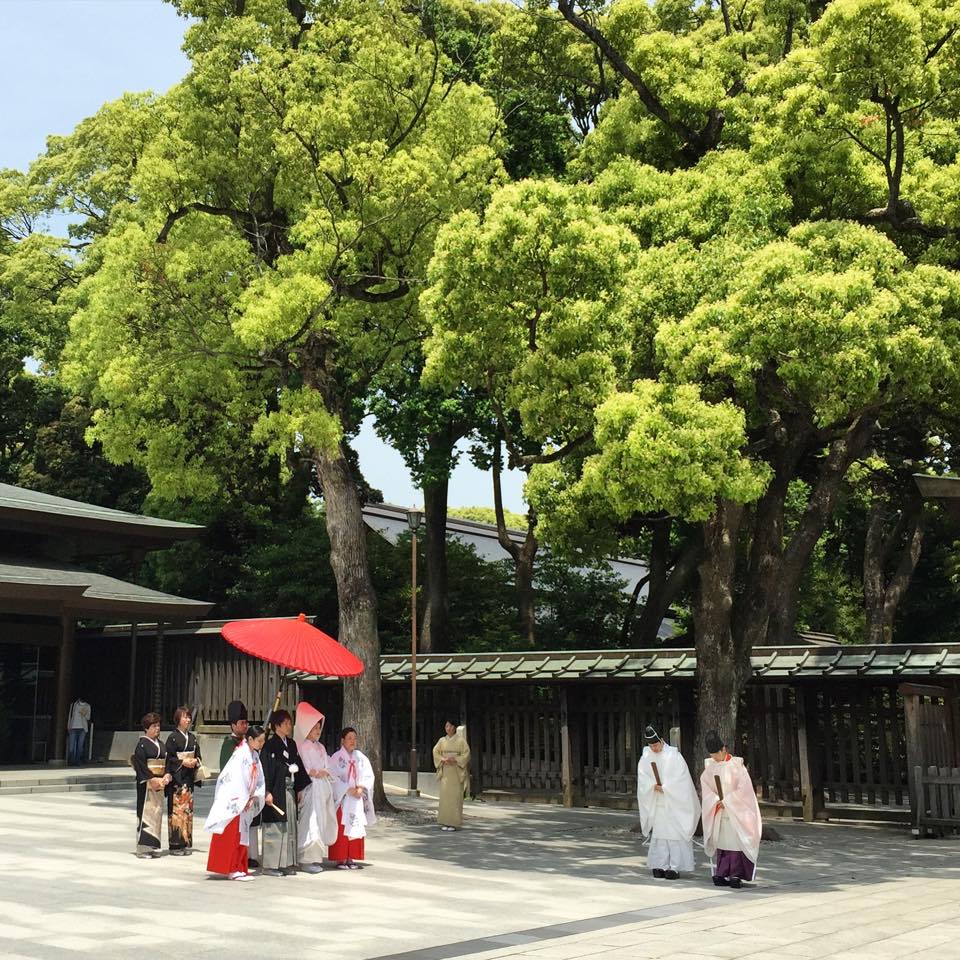
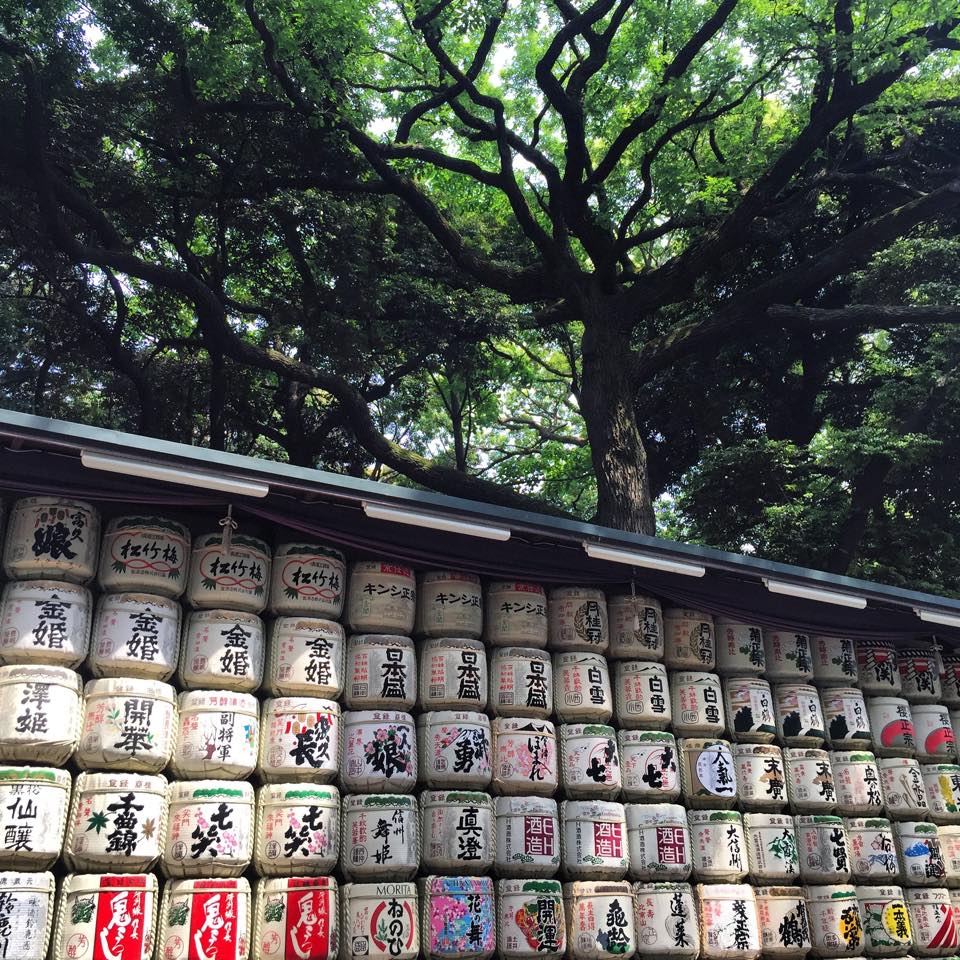
Admin is free to explore Meiji Jingu & it’s surrounds however the gardens located near the exit or entry (which-ever way you look at it) does cost to enter. We were lucky enough to witness a traditional wedding being held in the grounds. Continuing along the path, you’ll exit under another Torii before witnessing the huge barrels of sake & barrels of wine that sit along the path.
A short stroll from Meiji Jingu you’ll find yourself at Harajuku station. Straight across is Omotesando; Tokyo’s look-alike of the Champs Elysees filled with shops & beautiful green Zelkova trees that border the avenue. Another ‘must-see’ of the district is towards Harajuku street & the pedestrian-only street Takeshita Dori. The streets are filled with Harajuku girls & shops selling their outfits.


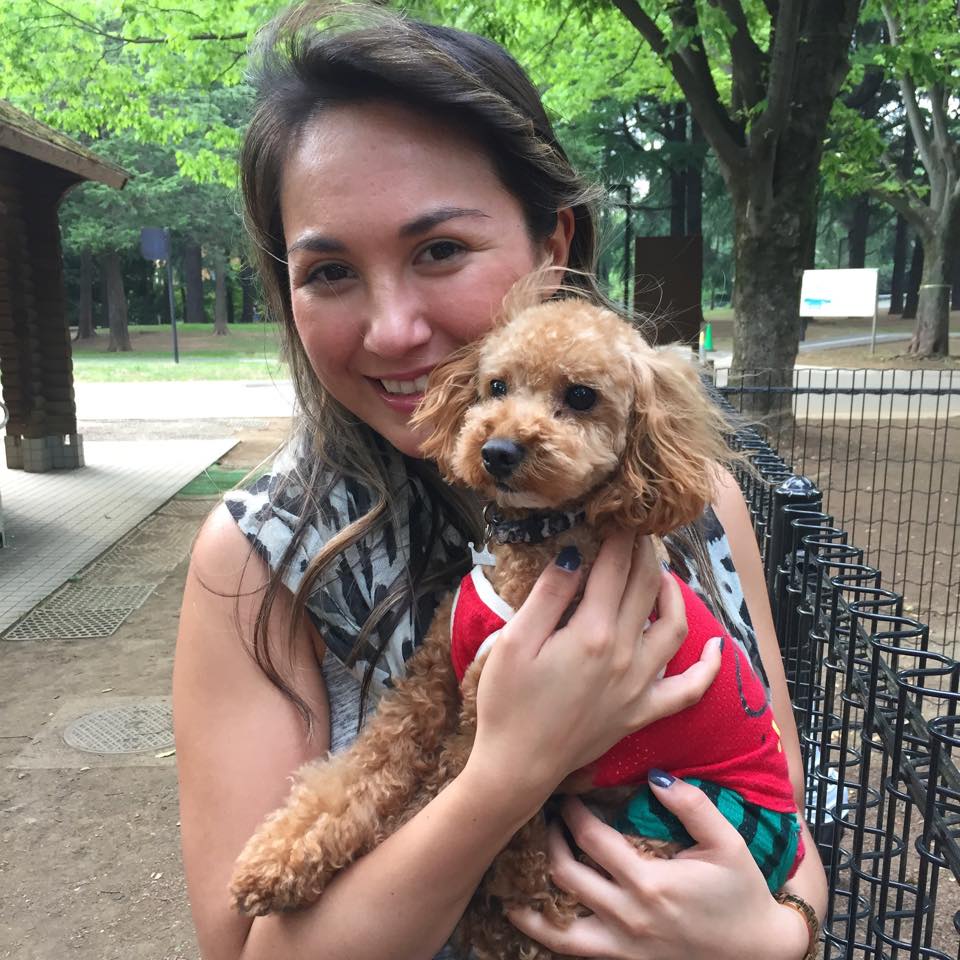
We visited nearby Yoyogi park which backs on to Meiji Jingu. It was the puppy park that got our attention. On certain days, owners will dress their dogs up & parade them around. Unfortunately we arrived on the wrong day. As we were leaving, Wade pointed in front of us at what he called a strange looking dog. It wasn’t until we got closer that we realized a man was walking his pet monkey on a leash. Yep you read right, a MONKEY ON A LEASH (above). Life is complete.

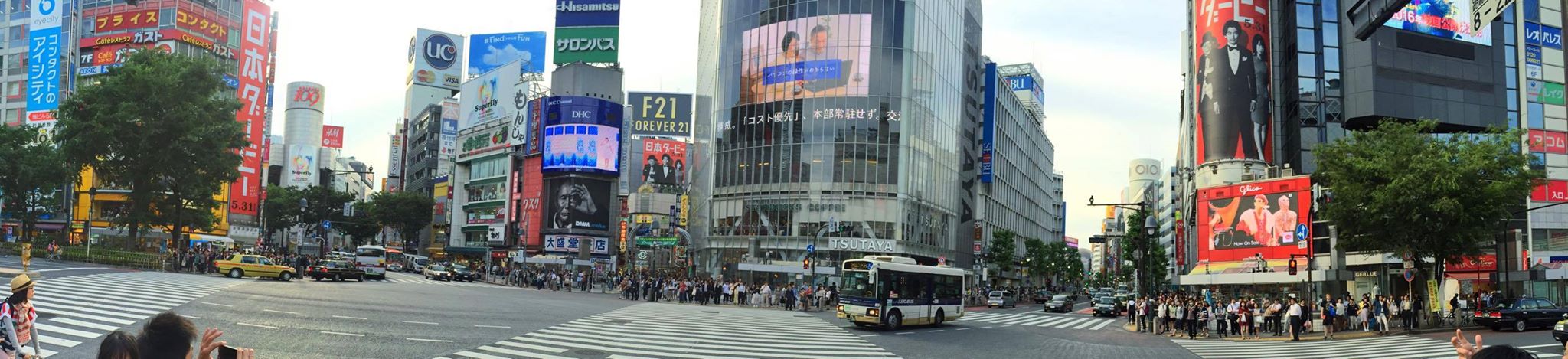
Shibuya is probably most famous for one sight, located right outside Shibuya station and that’s the Shibuya Crossing – the world’s busiest cross walk as thousands of people wait for the pedestrian light to go green before crossing in mass-directions. This area is filled with plenty of shopping & places to eat.
Chiyoda
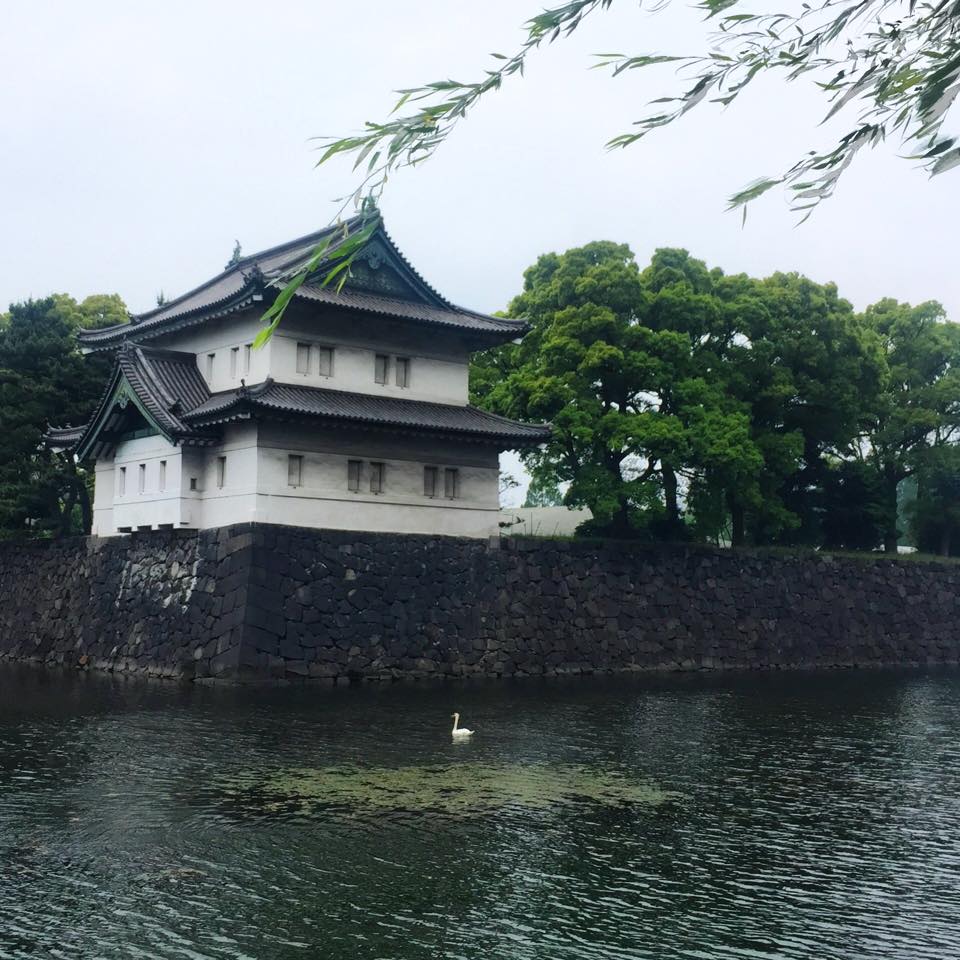
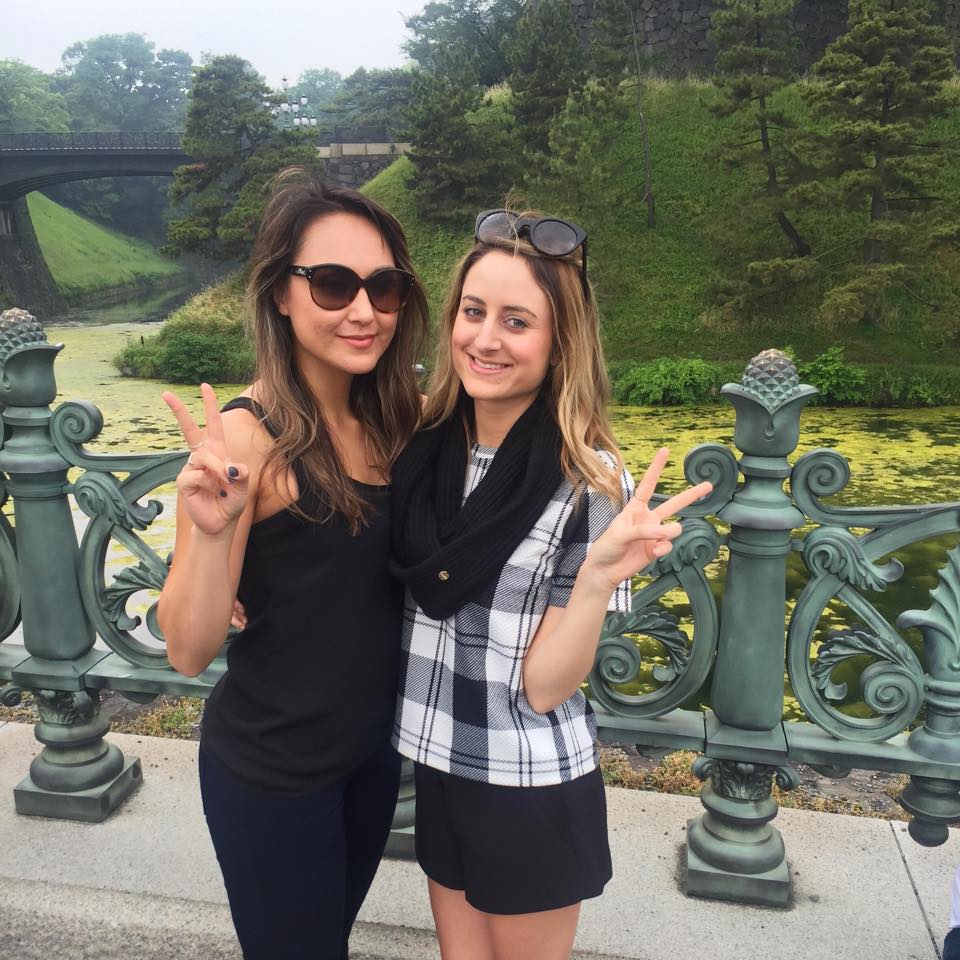
A short stroll from Tokyo Station will lead you through the Marunouchi area before arriving at the grounds of the Imperial Palace. The Imperial Palace is the main residence of the Emperor of Japan. The inner-grounds are generally not open to the public, so we explored the areas we could including the Imperial East Gardens and views of the Nijubashi bridge.
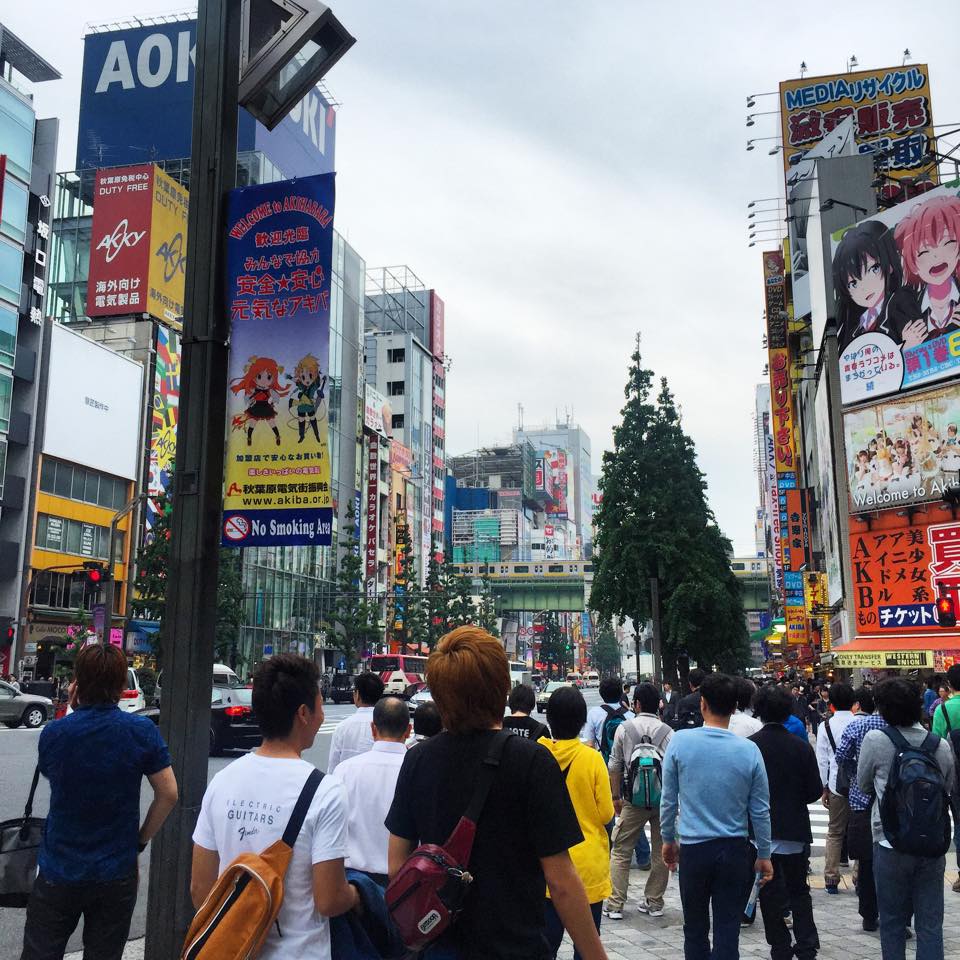
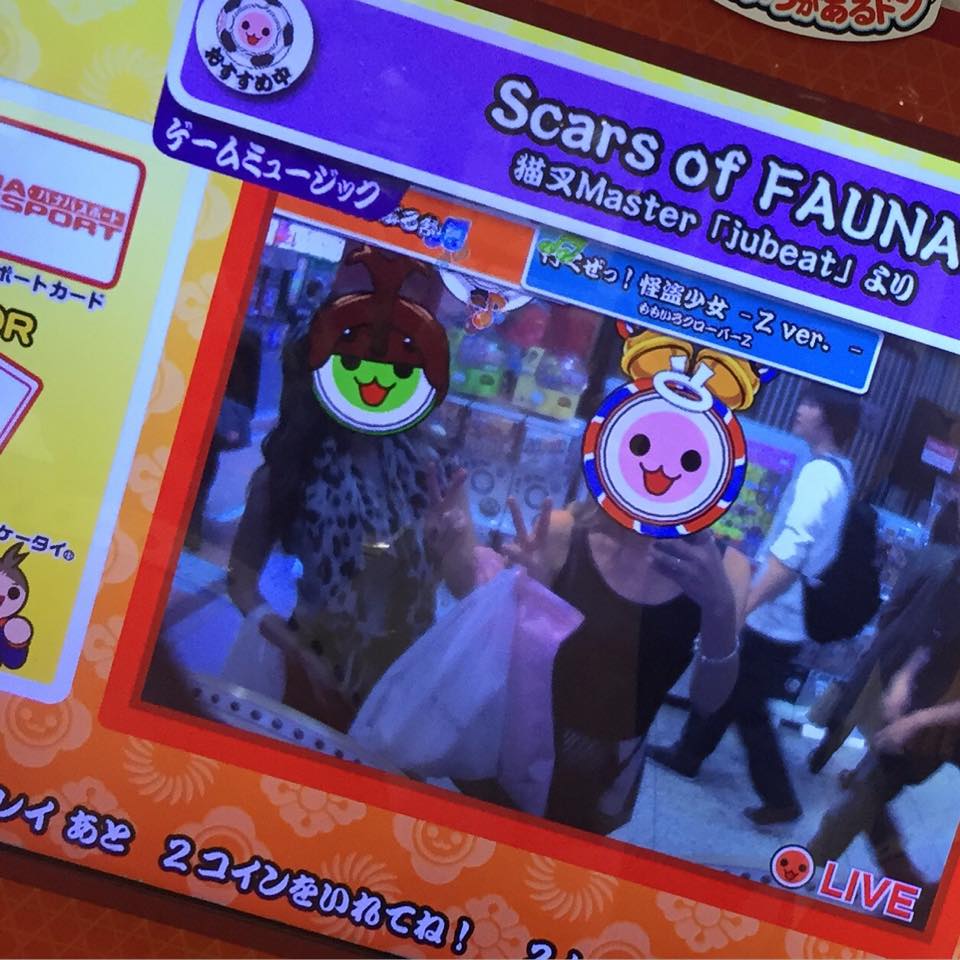
We head across in a taxi to Akihabara, Tokyo’s iconic electronic district. When we jumped out of the taxi, we couldn’t help but say wow! The streets were lit with endless neon-light buildings filled with everything from anime, gaming arcades, maid bars & electronic stores. We spent an unknown amount of time in Club Sega which is a multi-story arcade building filled with endless amounts of games – it was Australia’s version of Time Zone off tap!
Minato
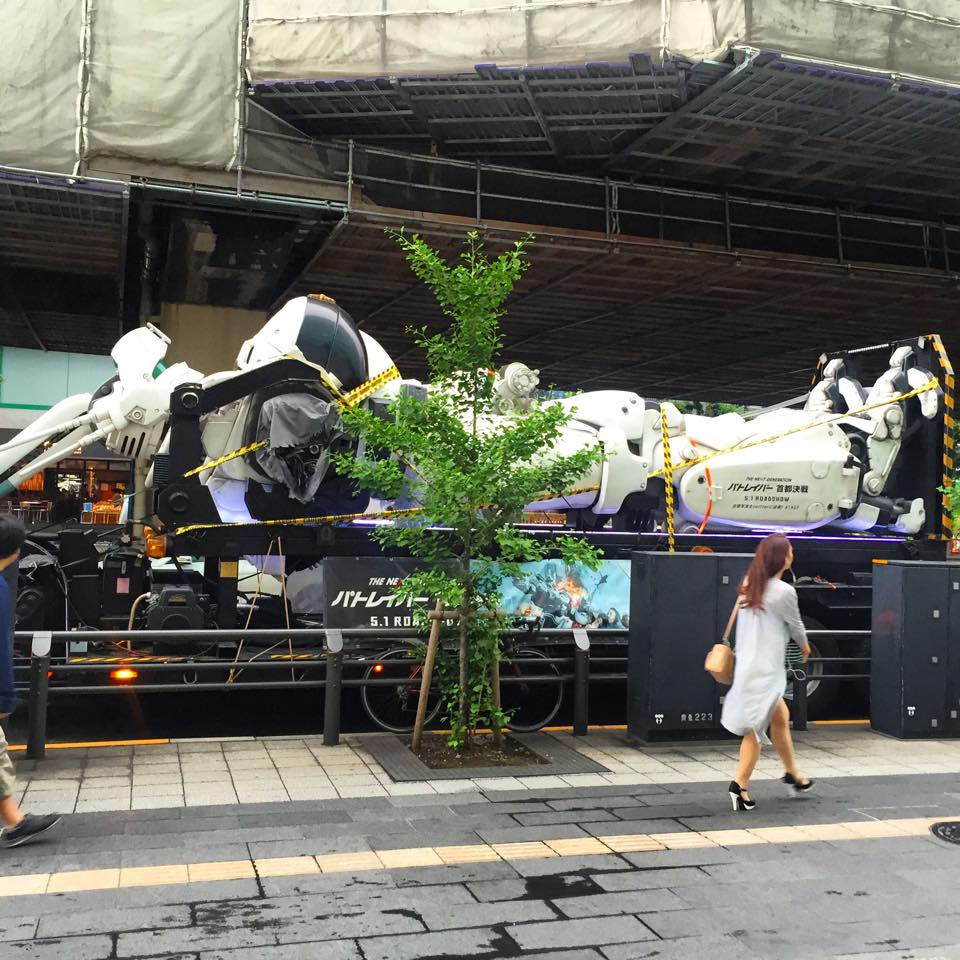
There were two main reasons for us to visit this ward – Roppongi Hills, a 54-story shopping complex filled with restaurants, clothes & a street-art sculpture of a giant spider. If you look closely, you can see the spider carrying her eggs – eek! I thought I escaped the spiders as I left Australia! We also saw a giant robot being towed around the streets.

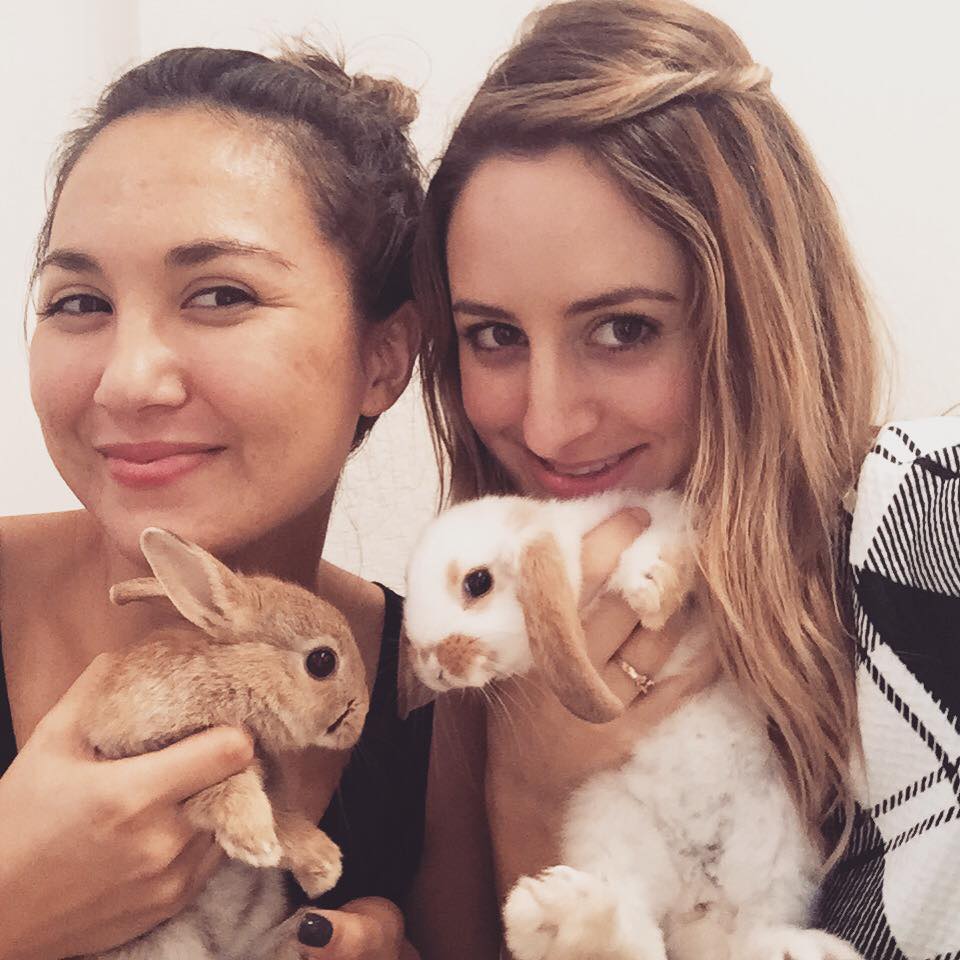
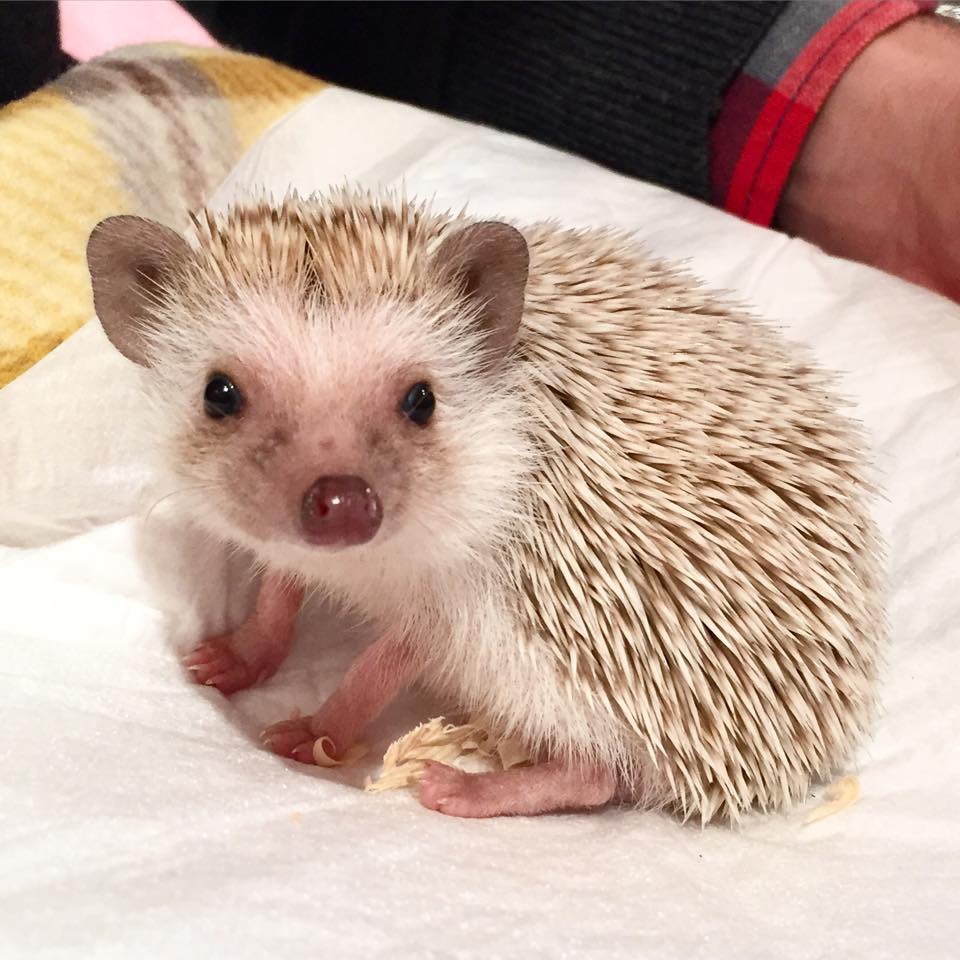
The second was Ms. Bunny Café and you might guess it by the name. A café where you drink coffee and play with bunnies!! They also had a few hedgehogs that you could play with. Pet purchasing prices started from ¥55000 – that transfers to AUD$500. Japan is filled with many cafes of this style including cat, bird & even penguins! But they seriously need to introduce a puppy café.
Taito
Taito ward has many points of interest which I’ve split into two districts. Asakusa is probably the most popular district, mainly for the famous Buddhist temple Senso-ji which was built in the 7th century.
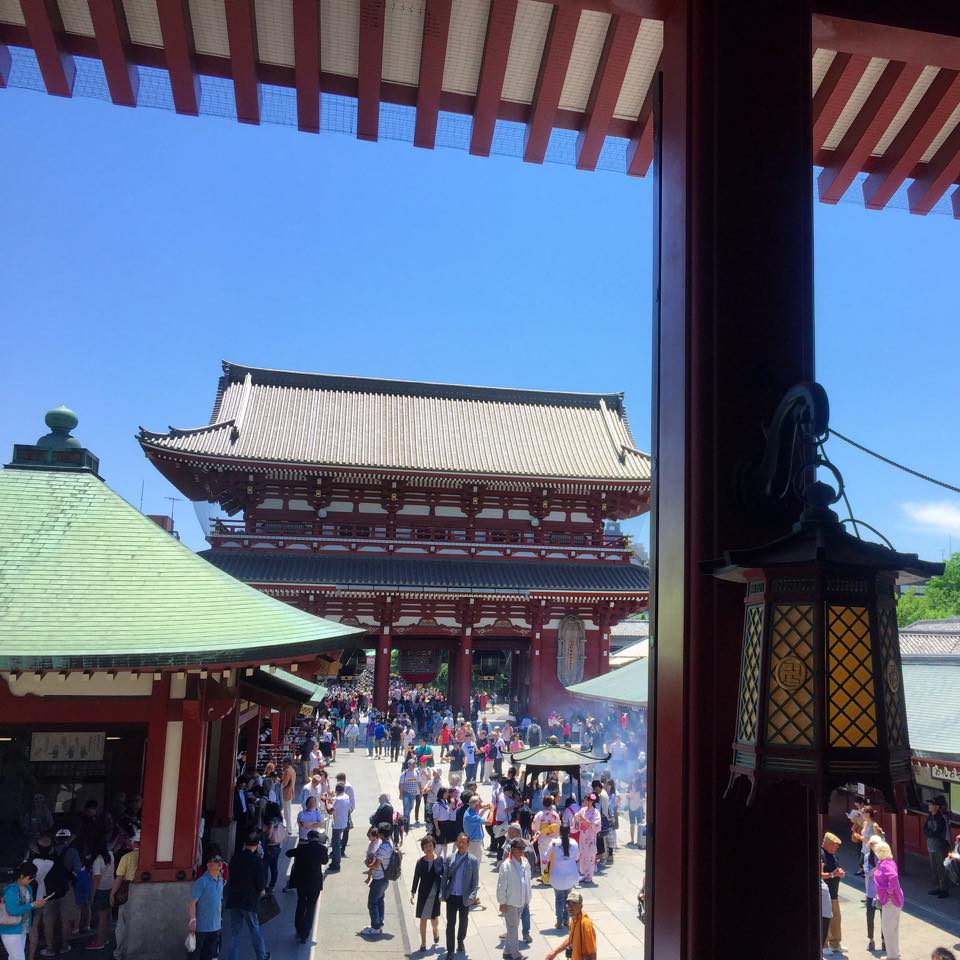
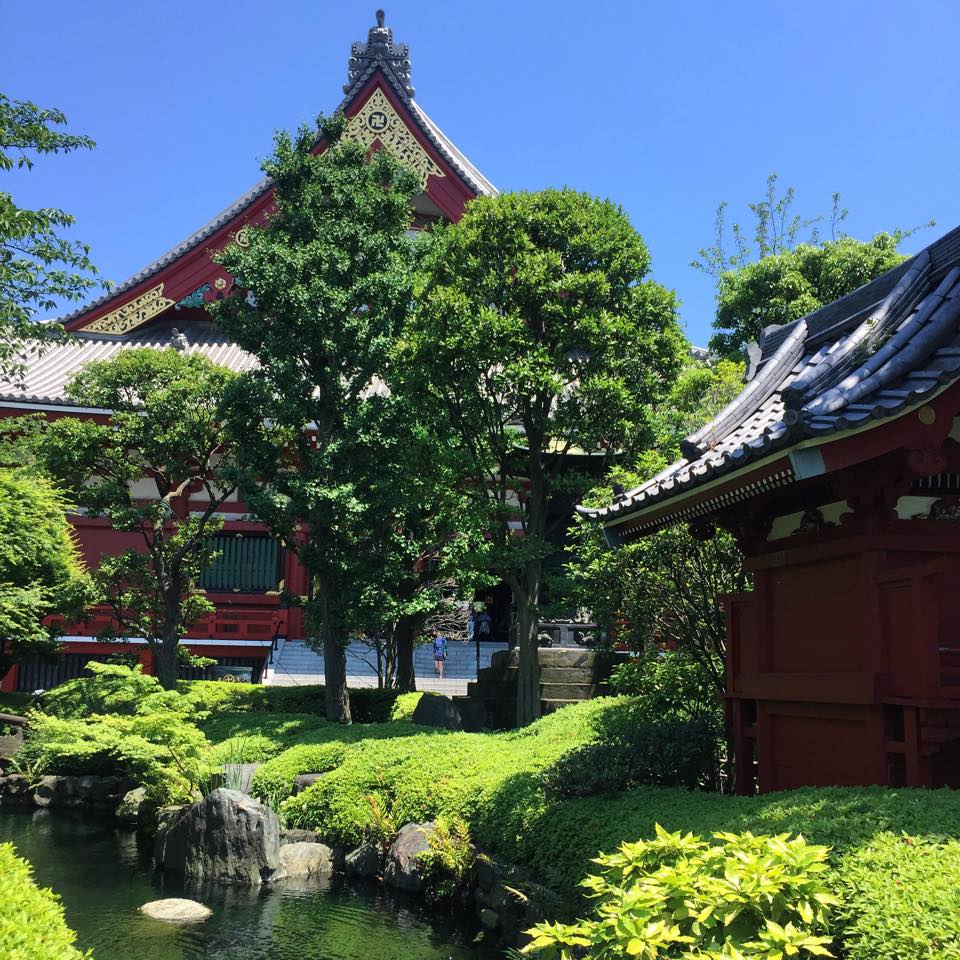
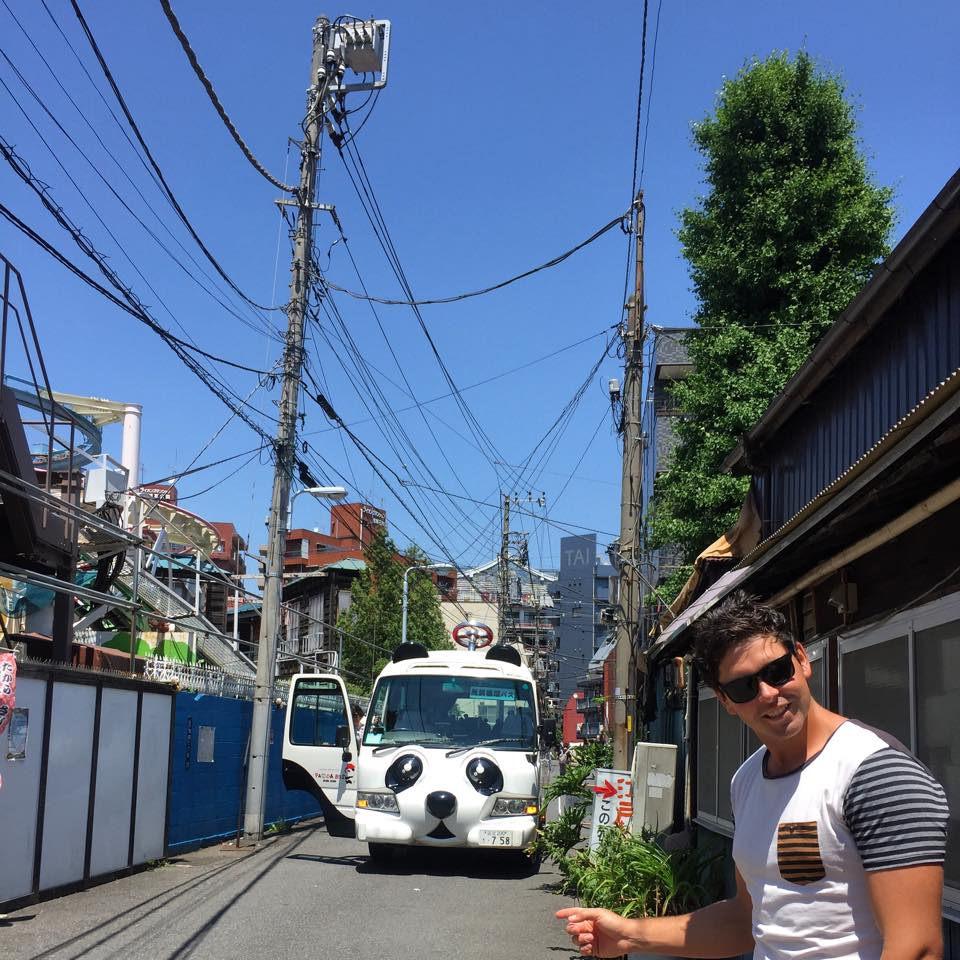
A short walk from Asakusa station via the subway line will lead you towards Kaminarimon, also known as the thunder gate. This is the entrance to Nakamise-dori, a long shopping street leading you to the famous Senso-Ji temple. All entry is free, however the crowds were overwhelming and made it hard to appreciate the area so we escaped the crowds and continued towards the west before stumbling across Hanayashiki, Japans oldest amusement park that was founded in 1853. It was beyond this area that the feel in the air & the looks gave off a traditional Japanese vibe, an atmosphere of Tokyo of past decades before development overtook.
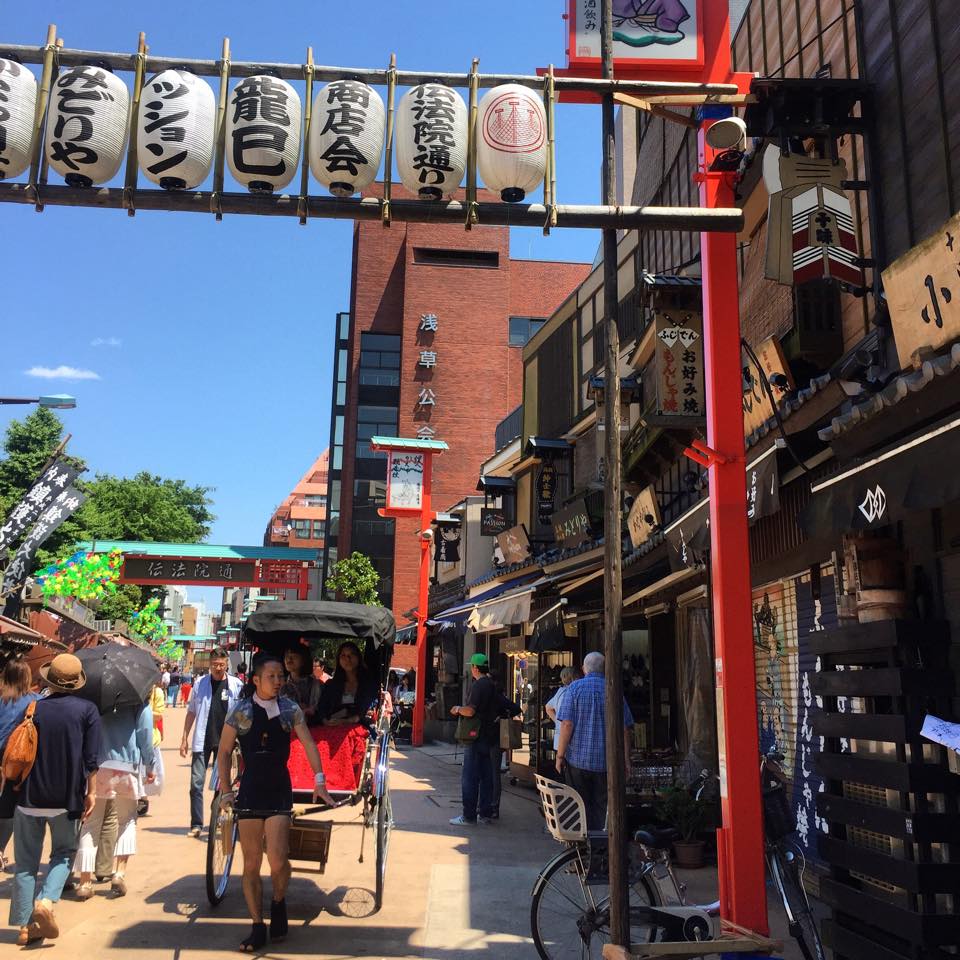
You may also notice the huge Tokyo Sky Tree, which is actually located in the Sumida ward but can be seen from Asakusa.
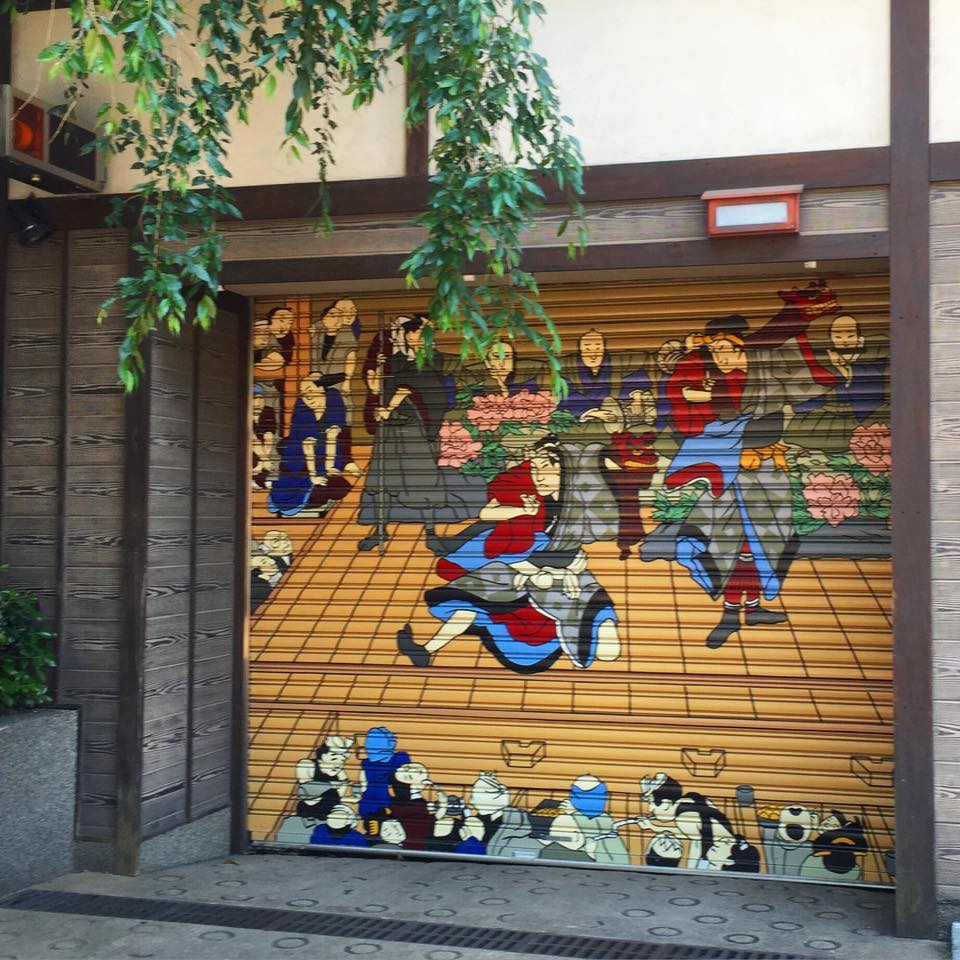
The second district of Taito is Ueno, another district that gives you the old Tokyo vibe. We explored Ueno Park before entering Ueno Zoo, the oldest in Japan. We were surprised that entry was only ¥600! Located across the road from Ueno park is Tokyo National Museum.

Sumida
A nearby stroll across the Sumida river will lead you to Tokyo Sky Tree; a broadcasting tower with both a restaurant and observation tower holding views across Tokyo. Nearby is the Asahi Flame & headquarters, also rumoured with views across Tokyo with Asahi beers on tap. We opted out on visiting both so I can’t comment on the attractions themselves.
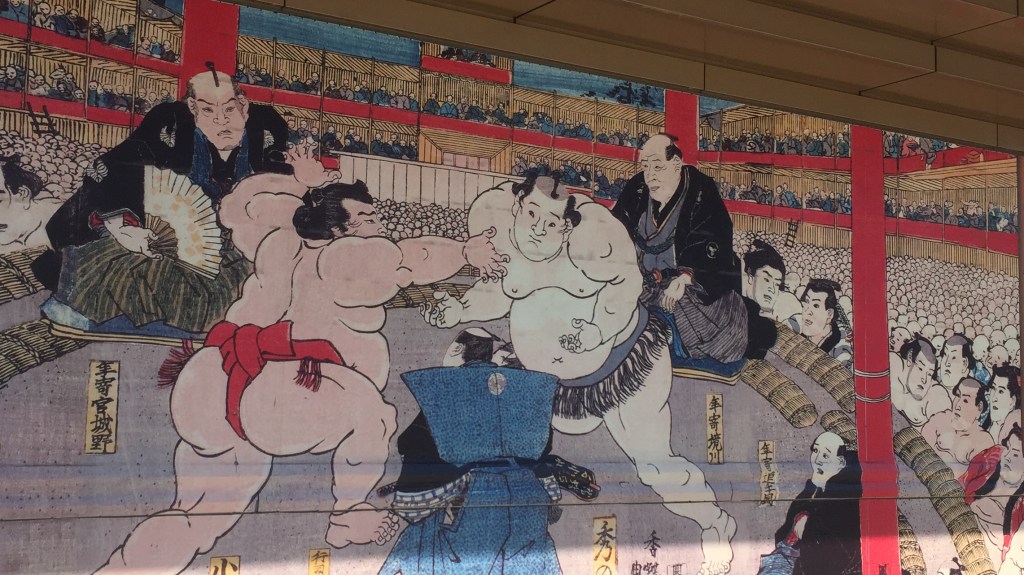
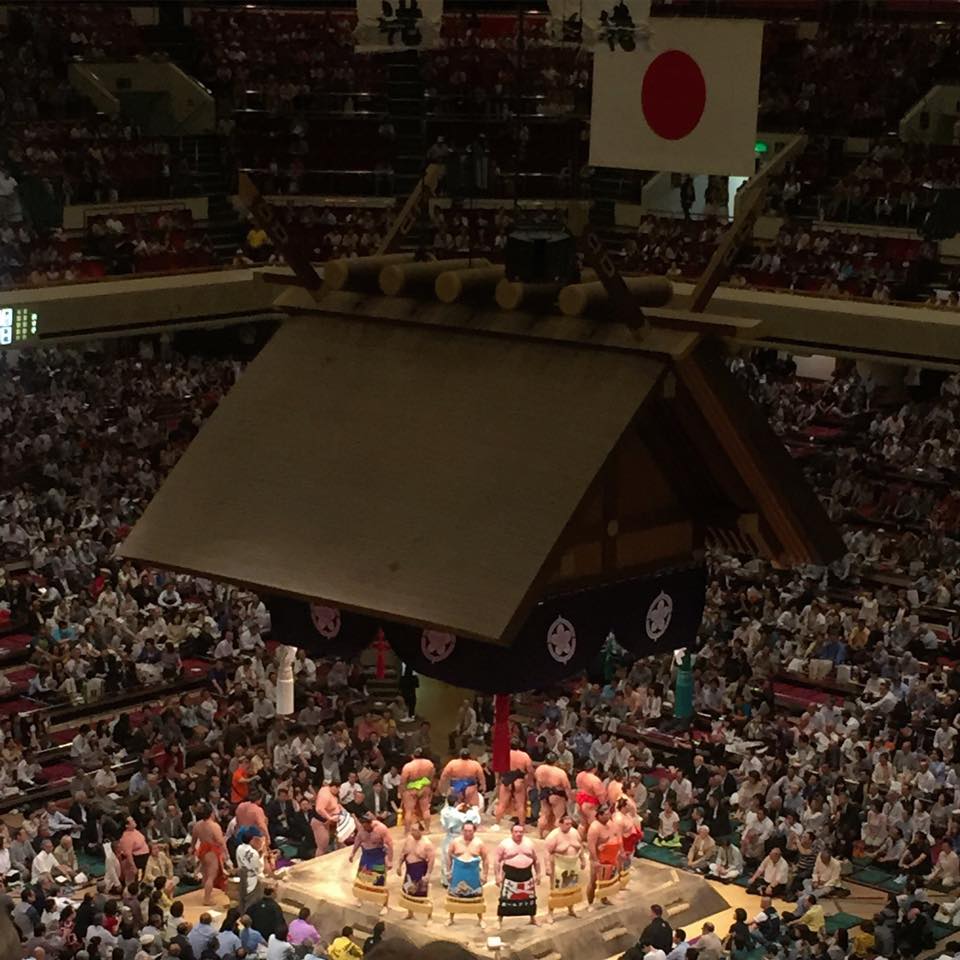
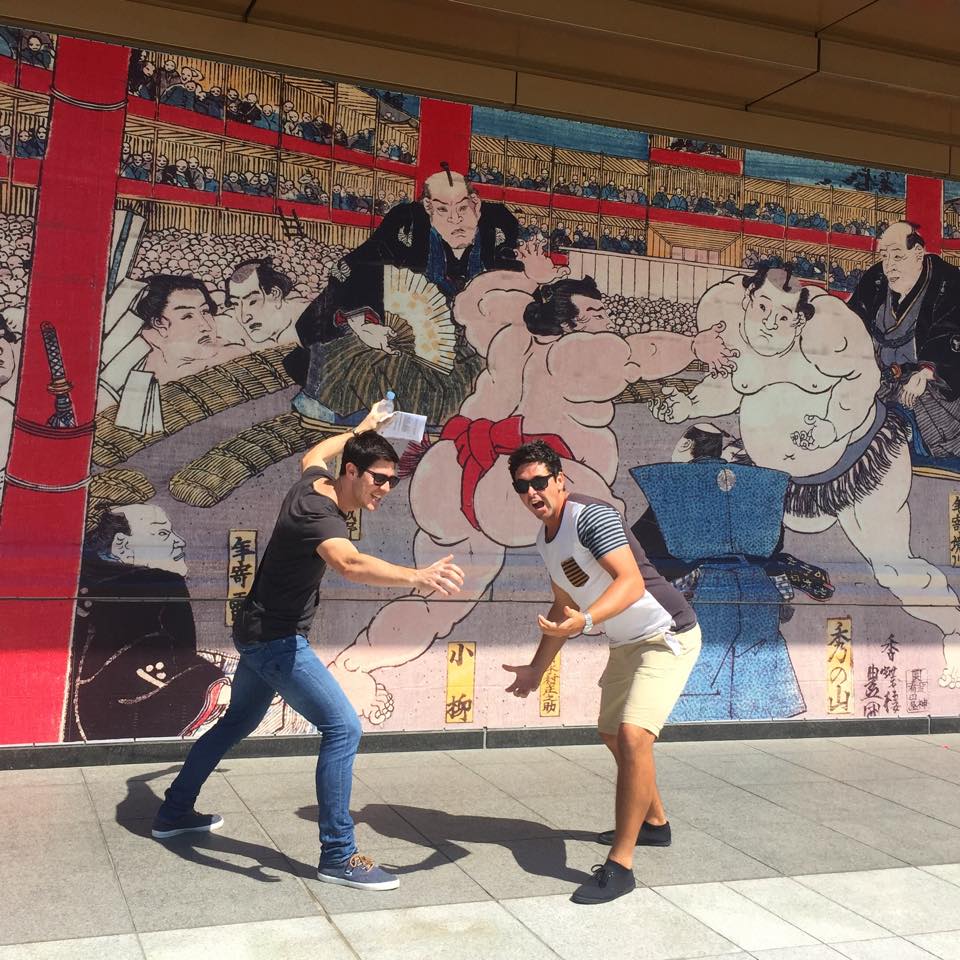
There are a few must-see’s in Tokyo which I’ve covered above, but if you’re lucky enough to be in Tokyo when 1 of the 3 sumo tournaments are happening at Ryogoku Kokugikan (sumo hall) then be sure to snatch up some tickets! Tournaments held towards the end of the 15 day event (which are held in January, May & September) will have you watching the best-ranked sumo fights as opposed to the start of the tournament. Doors open from 8:00 am however it’s usually suggested to show up in the early afternoon otherwise it may be a long day of sumo wrestling watching – But that’s not always a bad thing!
On our walk to Ryogoku, we stumbled upon a beautiful little park where locals sat on the outskirts of the pond painting it’s portrait & others fed turtles as they swam to the shore.
Chuo
One of my favourite districts in Tokyo (although I think all of them are my favourites) is Ginza. As you walk the streets, skyscrapers tower above you making you feel as though you’re wandering down 5th Avenue, New York. Plenty of up-market shopping awaits you here like Prada, Gucci & my new found love Abercrombie & Fitch (thanks for introducing me Terri !!). JR Yurakucho is your closest JR rail stop for Ginza.
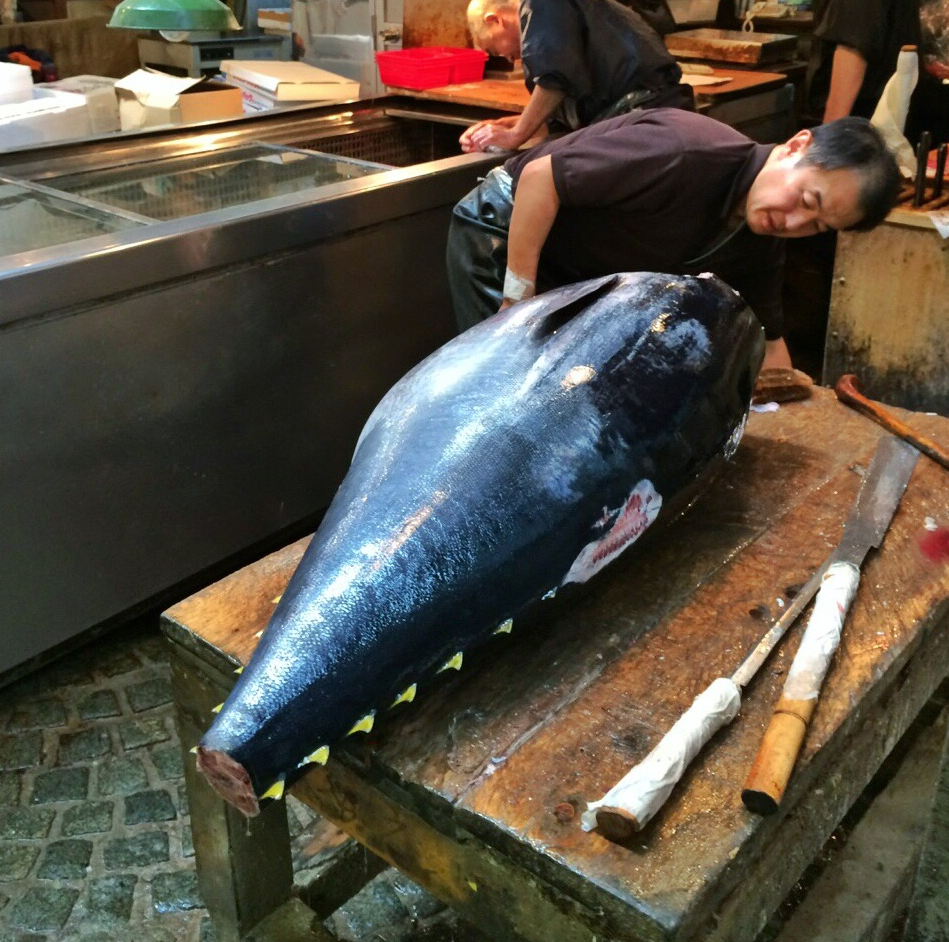
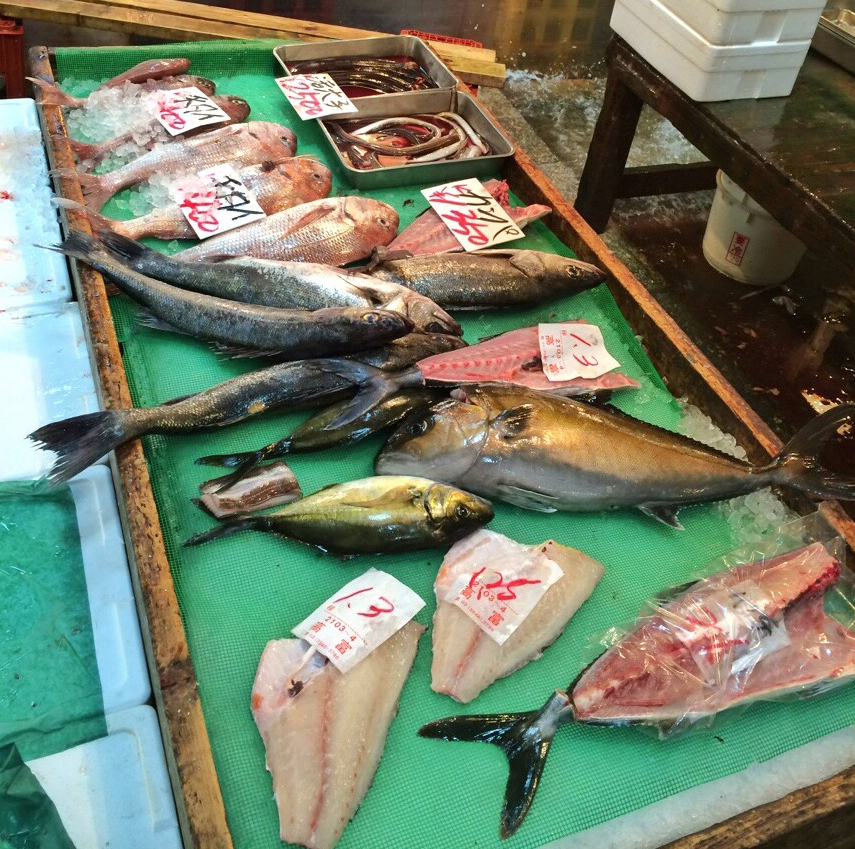
Also located in the Chuo ward is the world famous Tsukijo Fish Markets. Each day excluding Wednesdays, they hold the Tuna Auctions from 5:00 am in which the boys wanted to see. The fish markets are the busiest in the world, so with good reason they limit how many tourists can go through the auctions each day. This is limited to two groups of 60. The boys arrived by 4:15 am but unfortunately were turned away as other tourists lined up, split into two groups identified by their different coloured jackets. It wasn’t until the boys asked did they discover the first group signed up around 2:15 am, while the second group signed up by 3:30 am – wow! It could be that they visited on a Saturday, but turns out the boys should of continued on a bender from the previous night after drinking amongst robots & karaoke bars to make the auction in time.
Although the boys may have missed the crazy tuna auctions where fish are rumoured to be sold for over 155.4 million yen, they still enjoyed exploring the wholesale markets where giant fish & even turtles were being sold before enjoying the most delicious (and the freshest) sashimi for breakfast.
All four of us have travelled extensively yet Tokyo managed to throw us in the deep end. We couldn’t get our heads around the train system and seemed to get lost more times than none (or was it just us!?). Out of all my travels around the globe, Tokyo was the one that made me so uncoordinated & out of my comfort zone yet so intrigued and addicted! Even though Tokyo is so populated, busy & fast paced, everything flows. Locals are so kind. They have manners & they have patience. They give way. They line up in an orderly fashion whether it’s for the train or queuing to order a meal. It’s not stressful! Unlike my mornings commuting in Sydney. Tokyo is much like their fashion & food; everything and anything goes.
Keep an eye out for my upcoming blogs on Osaka, Kyoto & Japan in summary! happy planning!
Hotel: Tokyo Stay, Shinjuku
Room Type: Double room with small double bed
Price: ¥148000 or AUD $150 per night (at time of exchange)
 ONLY HAPPY WHEN I TRAVEL